Creating a safe home isn’t just about locking doors—it’s about being prepared, proactive, and aware of potential hazards. No matter if you live alone, with family, or with older members, keeping your home safe requires some easy changes and long-term plans.
In this guide, we’ll walk through 12 essential elements every home needs to protect you, your loved ones, and your property. From fire safety tips to childproofing tools, you’ll discover practical ways to build a reliable home safety checklist.
1. Smoke Detectors and Carbon Monoxide Alarms
These are non-negotiables. Smoke detectors alert you to fires early, while carbon monoxide alarms protect against this silent, odorless gas. Install them in bedrooms, hallways, and near kitchens. Test monthly and replace batteries twice a year.
Safety Tip: Interconnected alarms—when one sounds, they all do—can save precious time.
2. Fire Extinguisher in Key Areas
Every home should have a fire extinguisher in the kitchen, garage, and near heating sources. Learn how to use one with the PASS method: Pull, Aim, Squeeze, Sweep.
Homeowner Safety Tip: Check that your extinguisher has a rating for Class A, B, and C fires.
Also Read: Top Things to Look for in a Condo Home Inspection
3. First Aid Kit with Emergency Medications
Injuries happen, and a fully stocked first aid kit can make a difference. Include bandages, antiseptic wipes, pain relievers, gloves, burn cream, and emergency medications specific to your household.
Safety Precaution: Check expiry dates every 3–6 months.
4. Deadbolt Locks and Reinforced Doors
Physical safety begins at the entry. High-quality deadbolt locks and solid-core or steel doors deter intruders. Add a peephole or smart video doorbell for extra visibility.
Personal Safety Tip: Avoid placing spare keys under doormats—use a lockbox instead.
5. Security System or Smart Surveillance
Home security solutions have become more innovative and more affordable. Install indoor and outdoor cameras, motion detectors, and alarm systems that you can monitor via your smartphone.
At-Home Safety Advice: Display signs indicating surveillance—it acts as a deterrent.
6. Adequate Lighting Indoors and Outdoors
Dark spots outside your home can be hiding spots for intruders. Motion-activated lights and well-lit walkways are essential for both safety and convenience.
Checklist Safety Reminder: Keep staircases, porches, and driveways well-lit at night.
7. Child Safety Products in Case of Emergency
If you have young children, invest in baby gates, cabinet locks, outlet covers, and corner bumpers. Store harmful items like cleaning products out of reach.
Family Safety Tip: Educate kids about emergency numbers and basic evacuation procedures.
8. Fire Escape Plan and Emergency Contacts
Every household should have a fire escape plan that includes exit routes and a designated outdoor meeting spot. Keep a printed list of emergency contacts, including local services and family.
Home Safety Checklist Tip: Practice the escape plan at least twice a year.
9. Safe Storage for Hazardous Items
Keep sharp tools, chemicals, medications, and flammable materials in locked or high cabinets. This reduces risk for both children and pets.
Household Safety Checklist Tip: Label containers clearly and keep instructions handy.
10. Non-Slip Mats and Stair Rails
Falls are among the top causes of injuries at home, especially for seniors. Use non-slip mats in bathrooms, secure rugs, and install handrails on staircases.
Home Safety for Seniors Checklist: Add grab bars near toilets and in showers.
Also Read: Top Things to Know Before Your Next Chimney Inspection
11. Window and Balcony Safety
Windows should have locks or restrictors to prevent accidental falls, especially in homes with children. Balconies should have secure railings and no climbable furniture.
Safety Tip at Home: Use window alarms as added protection.
12. Regular Home Safety Inspections
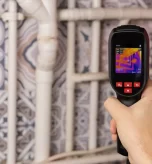
Walk around your home every few months with a critical eye. Check for frayed cords, loose steps, leaky pipes, and outdated safety equipment.
What is a Safety House? It’s a home that prioritizes proactive inspections and safety upgrades.
Comparison Table: Physical vs Non-Physical Safety Measures
| Safety Aspect | Physical Measures | Non-Physical Measures |
|---|---|---|
| Fire Safety | Smoke alarms, fire extinguishers | Escape plan, fire drills |
| Security | Locks, doors, cameras | Emergency contact list, awareness |
| Child Safety | Outlet covers, baby gates | Educating children and parental supervision |
| Senior Safety | Grab bars, anti-slip mats | Home safety assessments |
FAQs
1. What are the most critical safety items every home should have?
Every home needs smoke and carbon monoxide alarms. It should also have fire extinguishers, a first aid kit, strong door locks, and a basic security system. These provide immediate protection from fire, health hazards, and intrusions.
2. What are some affordable ways to make a home safer?
Begin with free or low-cost solutions. Look for hazards like cluttered walkways or loose cords. Add non-slip mats and install brighter lights. Teach family members about emergency procedures.
3. How often should I inspect my home for safety risks?
Conduct a home safety assessment every three to six months. Seasonal changes—like winter heating or summer electrical load—can introduce new risks.
4. Is a security system worth the investment for a small home?
Yes, even a basic security setup can deter crime and notify you in emergencies. Today’s systems are scalable—start small and expand as needed.
5. What are the key safety tips for families with both children and seniors?
Combine childproofing (outlet covers, cabinet locks) with senior-friendly adjustments (grab bars, floor-level lighting). Also, create an emergency plan that everyone can follow.
Final Thoughts
Having a safe home goes beyond gadgets—it’s about a mindset of prevention and preparedness. By following these 12 essentials, you build a foundation of safety for every member of your household. Keep checking your home safety checklist often. Create a space where everyone feels safe and at peace.