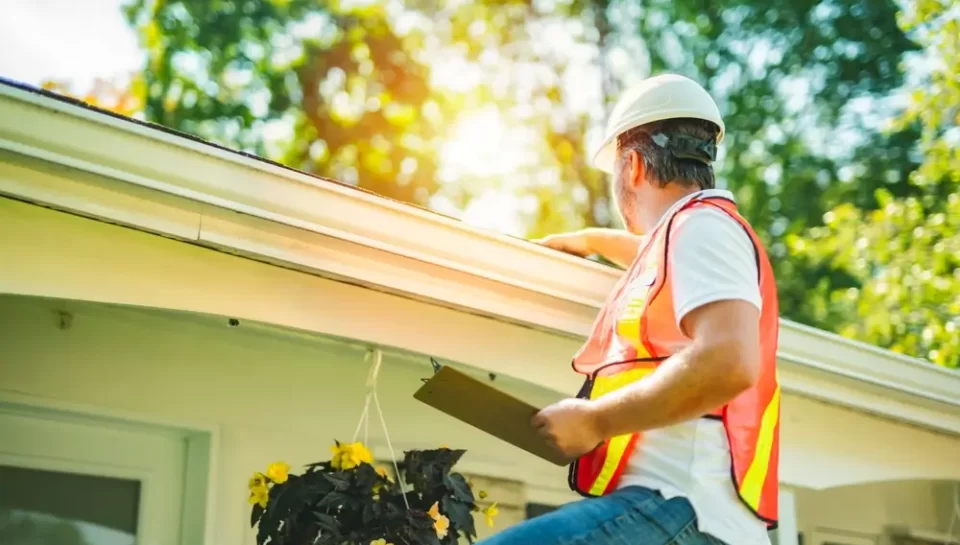
Owning a home is one of the biggest investments people make. It is important to protect that investment. A preventive maintenance inspection is a smart way to keep your property in good condition. It helps you avoid costly repairs. Preventive maintenance inspections look for small issues before they become big, expensive problems. This way, we avoid waiting for something to fail.
In this blog, we will look at preventive maintenance inspections. We will discuss why they are important and how they can help you save money over time.
Also Read: Top Property Inspection Software Tools for Professionals
What Is a Preventive Maintenance Inspection?
A preventive maintenance inspection is a proactive review of your home’s systems, structures, and safety features. These inspections are different from regular home inspections done when buying or selling. They are routine check-ups that look for early signs of wear and tear. They typically cover:
- Electrical systems
- Plumbing
- HVAC (heating, ventilation, and air conditioning)
- Roofing and gutters
- Appliances
- Structural integrity
In apartments, preventive maintenance inspections are crucially important. They keep shared systems and individual units safe and working well.
Why Preventive Maintenance Inspections Save You Money?
Homeowners often wonder if regular inspections are worth the cost. The answer is yes — preventive maintenance inspections can save thousands over time. Here’s why:
1. Early Problem Detection
By fixing problems early, like small roof leaks or plumbing drips, you can save money. Repairing them now costs much less than waiting for extensive damage to happen.
2. Extending the Lifespan of Systems
Inspection, testing, and preventive maintenance help systems like HVAC units and water heaters run efficiently for longer. For instance, a $100 filter replacement may prevent the need for a $3,000 HVAC system replacement.
3. Lower Utility Bills
Inspections highlight energy inefficiencies, such as poor insulation or faulty wiring. Addressing these issues reduces monthly energy expenses.
4. Avoiding Emergency Repairs
Emergency repairs are almost always more expensive than scheduled maintenance. A preventive maintenance inspection checklist helps avoid unexpected expenses.
5. Boosting Property Value
Well-maintained homes retain higher resale value. Regular inspections ensure your property remains market-ready.
Preventive Maintenance Inspection vs. Reactive Repairs
| Aspect | Preventive Maintenance Inspection | Reactive Repairs |
| Cost | Small, predictable investments | Sudden, high costs |
| Timing | Scheduled and convenient | Often inconvenient, urgent |
| Stress | Peace of mind | High stress, disruption |
| Outcome | Long system lifespan | Shortened lifespan, damage |
Investing in preventive maintenance inspections is clearly more cost-effective than waiting for things to break.
Key Areas Covered in a Preventive Maintenance Inspection
Electrical Safety
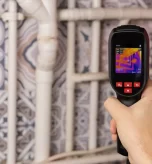
Infrared electrical inspection is extremely useful for preventive maintenance. It helps find hidden hot spots in wiring, panels, or circuits. These hot spots can create fire risks. Fixing these early prevents both hazards and costly damage.
Plumbing
Checking for leaks, corrosion, and water pressure ensures your plumbing system works efficiently. Addressing a leaky faucet today can prevent water damage worth thousands later.
HVAC Systems
Inspection preventive maintenance for HVAC includes checking filters, cleaning ducts, and calibrating thermostats. These steps cut energy costs and extend the system’s life.
Roofing and Gutters
Even minor roofing or gutter issues can cause significant water damage if left unchecked. Routine inspections prevent such expensive problems.
Appliances
From refrigerators to washing machines, inspections catch minor issues like worn seals or electrical malfunctions before a breakdown occurs.
Preventive Maintenance Inspection Checklist
A thorough checklist ensures nothing is overlooked. Common items include:
- Testing smoke and carbon monoxide detectors
- Inspecting the roof, gutters, and downspouts
- Checking water heater efficiency
- Inspecting plumbing for leaks or corrosion
- Reviewing electrical systems with infrared inspection
- Evaluating HVAC filters, ducts, and vents
- Testing doors and windows for insulation issues
- Checking appliances for safety and performance
For apartments, what is a preventive maintenance inspection for apartments? It typically includes shared systems such as elevators, fire alarms, and HVAC units, in addition to individual unit checks.
How Often Should Preventive Maintenance Inspections Be Done?
Most homes benefit from annual inspections. Older properties or those with complex systems may require semi-annual reviews. Rental properties also require consistent inspections to maintain safety and protect against tenant-related damage.
Also Read: The Best Home Maintenance Checklist for Every Season
Cost vs. Savings: A Practical Example
Consider this example:
- Without inspection, A water heater leak goes unnoticed until it floods the basement. Cleanup, repairs, and replacement may exceed $5,000.
- With a preventive maintenance inspection, the inspector identifies corrosion and recommends a $150 repair, thereby preventing significant water damage.
This shows how preventive maintenance inspections can save thousands in unexpected costs.
Preventive Maintenance in Apartments
In multi-unit housing, preventive maintenance and inspection practices are even more critical. Benefits for landlords and property managers include:
- Fewer tenant complaints
- Reduced emergency repair calls
- Longer lifespan for shared equipment (boilers, elevators)
- Compliance with safety regulations
Routine inspections ensure apartment buildings remain safe, energy-efficient, and comfortable.
FAQs
1. What is the purpose of a preventive maintenance inspection?
The goal is to identify and resolve minor issues before they grow into costly repairs. Inspections prioritize safety, efficiency, and long-term savings.
2. How much does a preventive maintenance inspection cost?
Costs depend on property size and scope, but typically range between $200 and $500. This is minimal compared to potential savings on avoided repairs.
3. Is preventive maintenance inspection necessary for apartments?
Yes. Preventive maintenance inspections in apartments help both landlords and tenants. They keep shared systems reliable and reduce risks in multiple units.
4. How do infrared electrical inspections help?
Infrared inspections detect electrical problems like overheating wires or faulty connections that standard inspections might miss. Fixing these early prevents fire hazards and costly repairs.
5. What should I expect in a preventive maintenance inspection checklist?
Expect a thorough review of plumbing, HVAC, electrical systems, roofing, appliances, and safety devices. You’ll receive a detailed report with recommended repairs or upgrades.
Conclusion
Preventive maintenance inspections are not just an extra cost. They are a smart investment that protects your property and gives you peace of mind. By detecting issues early, extending system lifespans, and avoiding costly emergency repairs, inspections ultimately save homeowners and landlords significant money.
Scheduling regular maintenance inspections is a good financial decision. This applies whether you own a single-family home or an apartment complex. It helps with long-term property care.
Google Map Link: https://maps.app.goo.gl/SxBMeJXdTfiZHj8r5
Instagram Link: https://www.instagram.com/keypropertyinspectiongroup/
Facebook Link: https://www.facebook.com/pg/Keypropertyinspectiongroup/
LinkedIn Link: https://www.linkedin.com/company/key-property-inspection-group/
Twitter Link: https://twitter.com/inspection_key