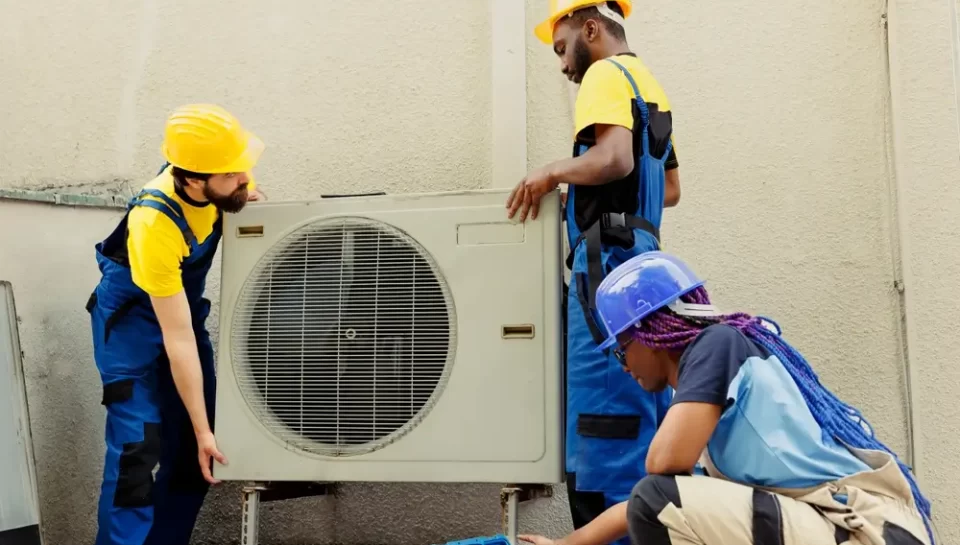
Replacing an AC compressor is one of the biggest jobs in home cooling.
In this guide, you’ll learn how the compressor works, when replacement makes sense, what the typical residential AC compressor replacement cost looks like, and the safe, step-by-step process licensed pros follow.
You’ll also see a repair-vs-replace comparison so you can decide whether changing an air conditioner compressor is the smartest move—or if fixing the surrounding components is enough.
What does the Compressor do? (and Why It Fails)
The compressor is the “heart” of your system, pumping refrigerant through the coil loop to move heat outdoors. When it fails, symptoms can include:
- Warm air or frequent short cycling
- Tripped the breaker on start-up
- Loud humming, clicking, or grinding
- The outdoor fan is running, but no cooling
- Very high energy bills with poor performance
Common causes: liquid slugging, low refrigerant over time, burnt windings, seized bearings, contamination after prior component failures, or voltage issues.
Also Read: Dutch Lap vs. Traditional Siding: Pros, Cons, and Costs
Should You Replace the Compressor—or the Whole System?
Use these quick checks before replacing the compressor on an AC unit:
| Factor | Replace Compressor | Replace Entire Condenser / System |
|---|---|---|
| Unit age | < 8–10 years | > 10–12 years |
| Warranty | Compressor still under parts warranty | Warranty expired |
| Other components | Everything else tests healthy | Multiple major parts are failing |
| Efficiency | SEER is still acceptable for your climate | Upgrading cuts bills significantly |
| Refrigerant type | R-410A system | R-22 (legacy/expensive to service) |
Rule of thumb: If your system is older, uses R-22, or needs multiple big repairs, a full replacement often delivers better long-term value than a standalone air conditioner compressor replacement.
Residential AC Compressor Replacement Cost (USA)
Actual pricing varies by tonnage, brand, and region, but these are realistic national ranges for home AC compressor replacement cost:
| Cost Component | Typical Range (USD) | Notes |
|---|---|---|
| Compressor unit (1.5–5 tons) | $800 – $2,500 | Scroll compressors cost more than reciprocating compressors |
| Refrigerant (R-410A) | $75 – $200 | Depends on the charge needed |
| Drier/filter, misc. parts | $50 – $200 | Best practice to replace the drier on open systems |
| Labor (removal, brazing, evacuation, charging, testing) | $600 – $1,500 | Complexity and access affect hours |
| Total (parts + labor) | $1,500 – $4,000+ | High-end systems can exceed this range |
You’ll see the same question asked different ways, how much is an air conditioner compressor to replace, average cost to replace air conditioner compressor, or AC compressor replacement cost home—but most homeowners land in the ranges above.
Safety & Compliance First
Handling refrigerants requires EPA Section 608 certification in the U.S. Opening a sealed system without proper recovery, evacuation, and charging tools is unsafe and illegal. DIYers can inspect breakers, clear debris, clean coils, and change capacitors (if qualified). Still, compressor replacement is a licensed professional task.
Also Read: Manufactured Home Foundations: Types, Requirements & Guide
How Pros Replace a Home AC Compressor? (Step-by-Step)
The process below outlines how to replace an air conditioner compressor in a central split system. Details may vary by brand and model.
1. Confirm the Diagnosis
- Verify correct line voltage and tight connections.
- Test the capacitor and contactor.
- Measure compressor windings (resistance/continuity).
- Check for grounded or open windings, locked rotor, or mechanical seizure.
- Inspect for contamination if a previous burnout occurred.
2. Recover the Refrigerant
- Connect manifold gauges and a recovery machine.
- Recover to an approved cylinder; never vent refrigerant.
3. Isolate and Remove the Old Compressor
- Disconnect power and lock out.
- Unbraid suction and discharge lines.
- Remove mounting bolts and lift out the unit.
- Cap open lines to prevent moisture ingress.
4. Prepare the System
- Replace the liquid-line filter drier (mandatory after opening the system).
- If a burnout occurred, install a suction-line cleanup drier and plan for a follow-up drier change.
- Inspect/flush lines if required by the manufacturer.
5. Install the New Compressor
- Position and bolt down the new unit.
- Braze connections with nitrogen flowing to prevent oxidation.
- Add factory-specified compressor oil if required (verify type/volume).
6. Evacuate and Charge
- Pull a deep vacuum (≤ 500 microns) and perform a decay test.
- Charge by weigh-in per nameplate, then fine-tune using superheat/subcooling.
7. Test and Commission
- Check for leaks, amps, voltage drop, and temperature split.
- Verify smooth start, correct pressures, and stable operation.
- Record readings for warranty and future service.
Quick Fixes That Sometimes Solve “Compressor” Problems
Before you commit to air conditioner compressor replacement, a pro will rule out:
- Failed capacitor (cheap part, similar symptoms)
- Shorted contactor or bad control board
- Outdoor coil clogged with debris
- Low charge from a leak elsewhere
- Faulty thermostat or sensor
These items are far more affordable than a compressor and are commonly confused with “the compressor is bad.”
Also Read: Flexible Propane Gas Line Guide: Sizes Uses and Safety
Labour Cost vs. Parts: Why Quotes Differ
You might see big differences in labour cost to replace a home AC compressor. Factors include:
- System size/tonnage and accessibility
- Brazing difficulty and line-set condition
- Burnout cleanup steps (extra driers, multiple vacuums)
- Commissioning time to dial in the charge properly
- Local permitting and documentation
Lowest labour often skips best practices. A well-commissioned replacement runs quieter, cooler, and lasts longer.
FAQs
1. How do I check if my air conditioner compressor is working?
Start with safe checks: confirm the outdoor unit has power, the breaker isn’t tripped, and the thermostat is calling for cooling. Listen for the outdoor fan and the deeper hum of the compressor. If the fan runs but there’s no cool air, or you hear repeated clicking/humming with no start, call a pro to test windings, measure start/run amps, and evaluate pressures. Avoid opening the refrigerant circuit without certification.
2. What causes compressors to fail prematurely?
Common culprits include low refrigerant (leading to overheating), liquid slugging from incorrect charge or metering device issues, electrical problems (bad capacitor/contactor causing hard starts), contaminated oil from previous burnouts, and poor airflow from dirty coils. Correct installation, proper charge, clean coils, and surge protection significantly extend compressor life.
3. Is it worth replacing just the compressor?
If your system is relatively new, under parts warranty, and other components are healthy, replacing the compressor can be cost-effective. If it’s older, uses R-22, or has multiple failing parts, a full outdoor unit or system replacement often delivers better reliability and energy savings, reducing lifetime cost.
4. How long does a new compressor last?
With proper installation, charging, and maintenance, modern scroll compressors often last 10–15 years. Longevity depends on a clean electrical supply, correct refrigerant charge, airflow, and routine coil cleaning. Keeping the outdoor unit clear of debris and scheduling annual checkups helps.
5. Can I replace the compressor myself to save money?
No. Federal law requires certified handling of refrigerants. The job also demands brazing under nitrogen, deep vacuum, correct oil management, and charge verification with superheat/subcooling. Mistakes cause repeat failures and warranty issues. Focus DIY efforts on airflow (filters/coils) and electrical housekeeping (breaker, thermostat, batteries), not on the sealed system.
Conclusion
Replacing the compressor in an air conditioner is a high-stakes, technical repair. Start with a correct diagnosis, weigh replacement compressor air conditioner cost against the unit’s age and efficiency, and choose a licensed HVAC professional who follows best practices (drier changes, nitrogen brazing, deep evacuation, and proper commissioning). The right decision now can add years of reliable, efficient cooling to your home.
At Key Property Inspection Group, we help homeowners understand the true condition of their systems so they can budget wisely and plan maintenance before peak season. Use this guide to compare quotes confidently and ask the right questions—your comfort and long-term costs depend on it.
Google Map Link: https://maps.app.goo.gl/SxBMeJXdTfiZHj8r5
Instagram Link: https://www.instagram.com/keypropertyinspectiongroup/
Facebook Link: https://www.facebook.com/pg/Keypropertyinspectiongroup/
LinkedIn Link: https://www.linkedin.com/company/key-property-inspection-group/
Twitter Link: https://twitter.com/inspection_key