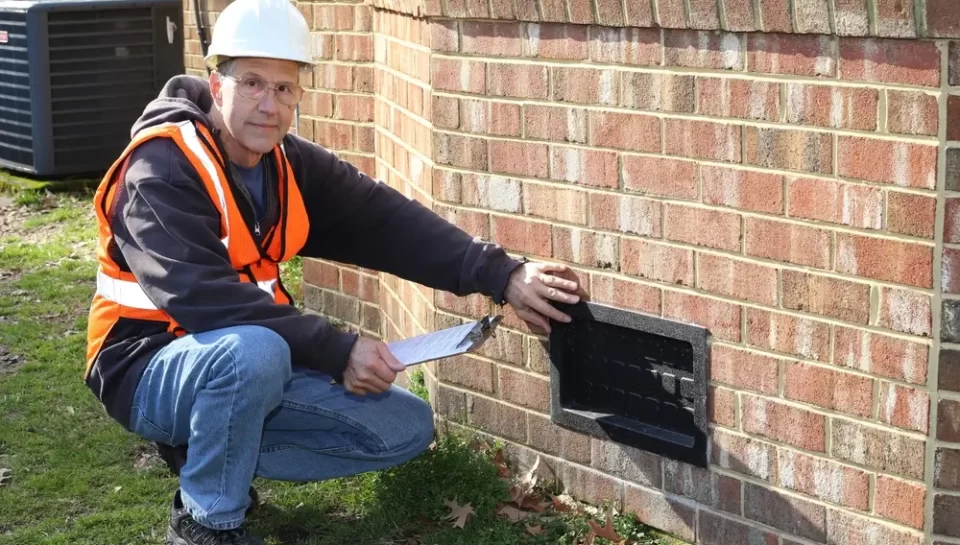
Crawl space inspections are a critical part of maintaining a healthy and structurally sound home. However, entering a crawl space isn’t always safe or possible.
Homeowners often seek alternative methods to inspect hidden areas. This is due to tight access, hazardous conditions, or safety concerns. Luckily, thanks to new technology and smart inspection methods, you can check a crawl space without going inside.
In this guide, we will show you new and effective methods for inspecting your crawl space from the outside. You can do this without risking your health or comfort.
Why Crawl Space Inspections Matter?
The crawl space is the foundation’s underbelly. If left unchecked, it can harbor mold, moisture, pests, and structural damage. Regular inspections help detect problems early before they escalate into expensive repairs.
Common issues found in crawl spaces include:
- Mold or mildew growth
- Standing water or high humidity
- Pest infestations (rodents, termites, etc.)
- Rotting wood or insulation damage
- Cracks in foundation walls
Also Read: Top Things to Know Before Your Next Chimney Inspection
Is It Safe to Inspect Without Entering?
Yes—if you follow a safe and methodical approach. With proper tools and visual aids, you can gather enough information to understand the health of your crawl space. In many cases, professional home inspectors use crawl space inspection robots and drones to assess hard-to-reach areas.
Tools You Can Use for Remote Crawl Space Inspection
| Tool | Description |
| Inspection Camera | Flexible borescopes or pole-mounted cameras allow visual access inside. |
| Crawl Space Inspection Robot | Equipped with lights and cameras, these can explore tight and hazardous areas. |
| Drone with Camera | Useful for vented crawl spaces; provides overhead views through openings. |
| Flashlight and Mirror | A low-tech but effective way to get visibility through small access points. |
| Moisture Meter | Can detect high moisture content around the perimeter of the crawl space. |
Step-by-Step Guide to Inspect a Crawl Space Remotely
1. Check External Indicators
Walk around your home and look for external signs of crawl space issues:
- Sagging or uneven floors inside the home
- Cracks in the foundation
- Moldy or musty smell
- High energy bills (could indicate insulation problems)
2. Use Vents and Access Doors for Visual Entry
Most crawl spaces have small vents or access doors. Use a flashlight or an inspection camera to peek inside and examine:
- Signs of mold or water stains
- Rodent droppings or chewed material
- Hanging or torn insulation
- Standing water or mud
3. Deploy a Crawl Space Inspection Robot
If visual access is limited, technology excels in this area. Remote-controlled robots can:
- Navigate tight spaces
- Stream live footage
- Take high-resolution images
- Measure humidity and temperature
Crawl space inspection robots are beneficial for:
- Mold inspection in the crawl space
- Water in the crawl space inspection
- Complete crawl space inspection checklist coverage
4. Monitor for Moisture and Mold
Place moisture meters near foundation walls or corners. Elevated readings indicate the potential for mold growth. Use the camera to zoom in on any suspicious areas. Mold often looks like black, green, or white patches on wood or insulation.
5. Document and Evaluate Findings
Take photos, record videos, and note areas of concern. This documentation is valuable for tracking changes over time or consulting with a professional inspector.
Crawl Space Mold Inspection Without Entry
Mold tends to grow in areas with high moisture levels and inadequate ventilation. If you detect a musty smell or see visible mold from the entrance, that’s a red flag. Homeowners often encounter mold in crawl spaces, and it is essential to address it promptly.
Mold inspection can be done by:
- Using an air quality sensor at the crawl space entrance
- Checking for discoloration or fuzzy spots on visible surfaces
- Recording footage via an inspection robot or camera for expert evaluation
Cost of Crawl Space Inspections
Remote inspections are generally more affordable, as they require fewer labor hours and less equipment setup. Here’s a general cost comparison:
| Type of Inspection | Estimated Cost Range (USA) |
| Standard Crawl Space Inspection | $100 – $250 |
| Mold-Specific Inspection | $150 – $350 |
| Crawl Space Inspection Robot Rental | $50 – $150/day |
| Professional Robotic Inspection | $250 – $500 |
Note: Prices vary based on region and complexity of the crawl space.
Free Crawl Space Inspections — Are They Worth It?
Some companies offer free crawl space inspections, especially as part of broader home inspection services. While these can be helpful, always ensure that a certified inspector uses appropriate tools. Free doesn’t always mean thorough—so ask what their inspection includes.
Also Read: How Infrared and Thermal Cameras Detect Water Leaks?
Benefits of Remote Crawl Space Inspections
- Safety: Avoid potential hazards like mold, pests, and sharp debris.
- Efficiency: No need for protective gear or extensive setup.
- Affordability: Cheaper than a full in-person service.
- Convenience: This can often be performed with minimal disturbance to your home.
FAQs
1. Can I perform a crawl space inspection myself?
Yes, you can. With tools such as a flashlight, mirror, or inspection camera, you can assess various visible aspects of your crawl space. However, for deeper issues such as mold or structural problems, experts recommend using professional tools or services.
2. What are the signs of water damage in a crawl space?
Look for standing water, damp insulation, rusted metal supports, or white powdery residue (efflorescence) on foundation walls. These are common indicators of excess moisture.
3. What is the best crawl space inspection robot?
Some top-rated options include Rovver, Crawlbot, and Explorer. Select one that features HD video and LED lighting and has rugged wheels or tracks to navigate challenging terrain.
4. How often should I inspect my crawl space?
Inspecting it twice a year—once in spring and once in fall—is ideal. After major storms or flooding, it is also advisable to perform a quick check.
5. Is mold in the crawl space dangerous?
Yes. Mold in crawl spaces can affect indoor air quality. It can cause breathing problems and weaken the home’s structure. Prompt identification and remediation are crucial.
Conclusion
Inspecting a crawl space without setting foot inside is not only possible—it’s practical. With the right tools, such as inspection cameras, robots, and moisture meters, you can gain a clear picture of your crawl space’s condition.
To check for mold, look at the structure. You can also evaluate insulation. Remote crawl space inspections are a safe and effective way to inspect crawl spaces.
Homeowners in Riverside, California, can rely on Key Property Inspection Group. They provide expert help and modern inspection options just for you. Don’t wait for minor issues to become major repairs—inspect smart and stay safe.
.
Google Map Link: https://maps.app.goo.gl/SxBMeJXdTfiZHj8r5
Instagram Link: https://www.instagram.com/keypropertyinspectiongroup/
Facebook Link: https://www.facebook.com/pg/Keypropertyinspectiongroup/
LinkedIn Link: https://www.linkedin.com/company/key-property-inspection-group/
Twitter Link: https://twitter.com/inspection_key