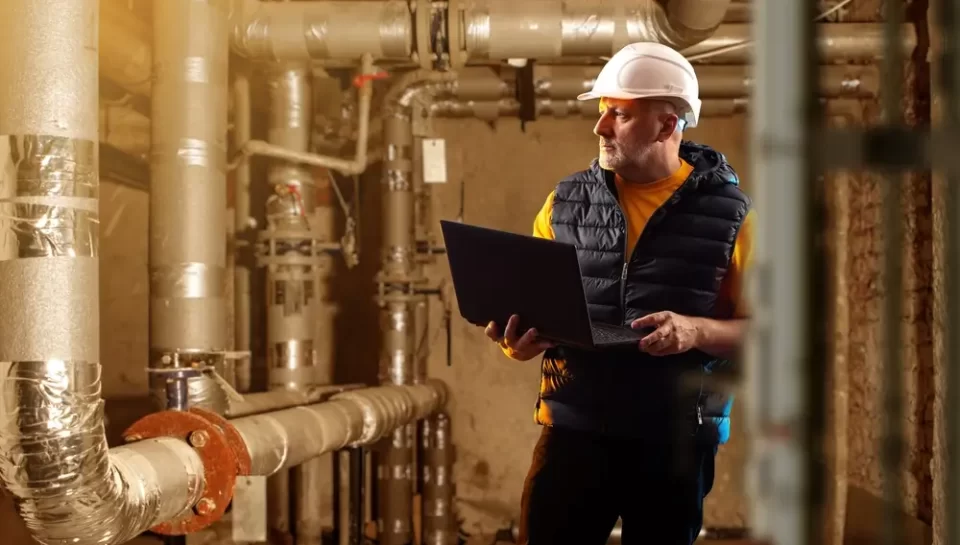
A small hidden leak can quietly inflate your water bill, damage drywall, and invite mold long before you see the first stain.
This practical guide gives you a complete plumbing inspection checklist. You can use it any time of year. Use it before buying a house, when you notice slow drains, or for regular home maintenance.
You will learn what a standard plumbing inspection includes. You will also know when to use a plumbing camera inspection. We will explain what rough-in and final inspections are.
You will see typical costs and the warning signs that indicate the need for a licensed plumber. Use this as your go‑to reference to protect your home, budget, and peace of mind.
Why Plumbing Inspections Matter?
- Prevent costly damage: Early detection of leaks and corrosion keeps repairs manageable.
- Protect health: Catch cross‑connections, sewer gas odors, and mold‑risk moisture.
- Lower bills: Fix silent toilet leaks and inefficient fixtures that waste water and energy.
- Smooth real‑estate deals: A clear home plumbing inspection reduces surprises during escrow.
- Compliance & safety: Verifies plumbing inspection requirements, such as proper venting and code‑compliant materials.
The Plumbing Inspection Checklist (Room‑by‑Room)
Use this list for a whole‑home plumbing system inspection. Tackle it annually or whenever you notice changes in pressure, temperature, or drainage.
Also Read: The Best Home Maintenance Checklist for Every Season
Whole‑Home Essentials
- Water meter & main shutoff: Confirm the main valve turns freely; note meter movement when all fixtures are off (movement may indicate a hidden leak).
- Water pressure: Target 40–60 psi. High pressure accelerates wear; low pressure suggests supply or regulator issues.
- Water heater: Check the age, capacity, TPR valve, pan drains, expansion tank, and anode rod condition, and look for signs of rust or leaks.
- Supply lines & valves: Inspect accessible plumbing pipes (copper, PEX, CPVC, galvanized) for corrosion, bulges, and active drips—exercise fixture shutoffs.
- Venting & traps: Confirm each fixture has a trap and venting to prevent sewer gas.
- Backflow & cross‑connections: Look for hose bibb vacuum breakers and proper air gaps at dishwashers and water softeners.
- Sump/ejector pumps: Test operation, check floats, and verify discharge paths.
Bathrooms (Primary Bathroom Plumbing Inspection)
- Toilets: Listen for running water; dye‑test tanks; check base stability and wax seal (no sewer odor).
- Sinks & tubs/showers: Run hot and cold water; observe drainage speed; inspect P‑traps and supply lines for leaks; verify caulking and grout.
- Water temperature & mixing: Confirm anti‑scald mixing valves work and hot water reaches ~120°F at the tap.
Kitchen & Laundry
- Faucets & sprayers: Check aerators for debris; test sprayer hoses for leaks.
- Dishwasher & disposal: Inspect air gap/loop; run a short cycle to check for leaks and backflow prevention.
- Refrigerator ice/water line: Look for kinks and slow seepage.
- Laundry: Examine washer hoses (replace rubber with braided stainless); confirm standpipe height and trap; check utility sink connections.
Basement, Crawlspace & Exterior
- Exposed drain lines: Look for rust, pinholes, and previous patch repairs.
- Cleanouts: Locate main and branch cleanouts for future maintenance.
- Hose bibbs: Test freeze‑resistance and vacuum breakers.
- Irrigation & outdoor kitchens: Verify backflow preventers and shutoffs.
Before You Buy: Pre‑Purchase Plumbing Inspection
A pre-purchase plumbing inspection helps you learn about the pipes in the home. It shows the materials and age of the pipes. It also reveals any past leaks, the condition of the water heater, and the health of the sewer line.
Use the general home inspection plumbing checklist along with a plumbing scope inspection (camera). This helps find hidden problems that could delay closing or require repairs after purchase.
When a Camera Inspection Makes Sense?
A plumbing camera inspection, also known as a video inspection, uses a high-resolution camera. This camera looks inside drains and sewer lines. It reveals offsets, low spots, root intrusion, scale, and breaks that cause recurring clogs and slow drains. A plumber’s camera inspection is invaluable when:
- You have repeated backups, gurgling, or slow drains.
- Researchers suspect trees or older materials (e.g., clay or Orangeburg).
- You’re buying an older home or one with prior sewer repairs.
- You need proof of condition for insurance or negotiation.
Key features to consider in the best inspection camera for plumbing include a self-leveling head, distance counter, high-lumen lighting, and the ability to record a plumbing video camera inspection for documentation.
Inspection Types at a Glance
| Inspection Type | When to Use | Typical Tools | Issues Found |
| Visual/residential plumbing inspection | Annual checkups and new homeowner baseline | Flashlight, moisture meter, pressure gauge | Leaks, corrosion, low/high pressure, fixture defects |
| Plumbing scope/camera inspection | Slow drains, purchase due diligence | Inspection camera, locator | Roots, bellies, offsets, cracks |
| Commercial plumbing inspection | Large buildings or businesses | Flow tests, thermal imaging, and cameras | Supply sizing, recirculation faults, and code issues |
| Underground plumbing inspection | Suspected lateral or yard leaks | Camera, acoustic leak detector | Broken lines, infiltration, soil movement |
Rough‑In, Final & Annual Inspections
- Rough‑in plumbing inspection: Occurs after pipes, vents, and drains are installed but before walls are closed. Verifies slope, support, venting, and approved materials.
- Final plumbing inspection: Inspectors conduct this after the team sets and connects the fixtures. Confirms correct operation, clearances, and safety devices (TPR valves, air gaps, anti‑scald controls).
- Annual plumbing inspection: A preventive check that combines a home plumbing checklist with specific tests (pressure, temperature, water quality). The easiest way to catch minor issues early is.
Underground & Sewer Lines
Underground laterals can crack from soil movement, roots, or age. Signs include lush stripes of grass, sinkholes, or sewage odors outdoors. An underground plumbing inspection uses a scope. If needed, it may also use a pressure or smoke test. This helps find the problem. As a result, repairs are precise and not based on guesswork.
How Much Does a Plumbing Inspection Cost?
Costs vary by region, home size, and scope. A general home inspection may include a typical plumbing inspection. You can price standalone visits separately. Plan for camera work if the drains are slow or if the home is older.
| Service | What’s Included | Typical Time | Typical Price (USD) |
| Visual plumbing inspection | Whole‑home checklist, pressure & temperature checks | 60–90 min | $100–$250 |
| Plumbing drain camera inspection | Video of main lateral & key branches, recorded report | 60–120 min | $200–$500+ |
| Commercial/large buildings | Sampling of units, risers, recirculation, and documentation | Half–full day | Quote based |
Tip: To know the cost of a plumbing inspection, ask for a written scope. This will tell you what is included, such as the number of cleanouts, footage, and whether you receive a recording.
Also Read: Pre Home Inspection Checklist for Sellers and Buyers
DIY vs Professional: Where Each Shines
Some items are ideal for homeowner checks; others need pro tools and training.
| Task | DIY‑Friendly? | Why |
| Aerator cleaning, dye‑testing toilets, checking shutoffs | Yes | Quick wins that save water and reveal obvious leaks |
| Water pressure testing, anode rod checks | Yes, with guidance | Simple tools; follow safety steps |
| Drain snaking beyond traps, venting diagnostics | No | Risk of damage; needs codes knowledge |
| Plumbing video inspection and underground locating | No | Requires specialized cameras and transmitters |
Bottom line: Use this home inspection plumbing checklist monthly for quick checks and yearly for a deeper look. Call a pro for anything underground, inside walls, or involving gas lines.
Red Flags That Need a Plumber Now
- Sewage smells indoors or outside
- Stains on ceilings beneath bathrooms
- Repeatedly slow or gurgling drains
- Sudden spikes in the water bill
- Orange/brown water, or flakes at fixtures
- TPR valve discharges from the water heater
FAQs
1. How often should I schedule a plumbing inspection?
Most homeowners should have a plumbing inspection every 12 to 24 months. They can also do a quick seasonal check. This check should take about 10 to 15 minutes using the checklist above.
Homes with mature trees, old pipes, well water, or past backups should have annual reviews. They should also get a plumbing inspection every few years to check the sewer line.
2. What does a plumbing camera inspection show?
A plumber’s inspection camera goes through drains to show problems you can’t see with just your eyes. These problems include root intrusion, separated joints, corrosion scale, low spots, and partial collapses.
Quality systems capture video and measure distance. This helps locate repairs accurately and creates a solid record for insurance or real estate deals.
3. Do I need a plumbing inspection before buying a home?
Yes—pair the general home inspection with a home plumbing inspection and, for older homes, a camera plumbing inspection. This confirms pipe materials and condition, water heater age, fixture integrity, and sewer health.
If you find defects, you can negotiate credits, request repairs, or budget realistically—preventing unexpected costs right after closing.
4. Can I do my own home plumbing inspections?
You can complete many checklist items—checking for visible leaks, testing each fixture, dye‑testing toilets, and confirming shutoffs. However, licensed professionals should inspect plumbing pipes inside walls or underground. They have the tools and training to safely check important issues like venting, backflow, gas, and water heater safety.
5. What happens if the home inspection lists plumbing defects?
Ask a licensed plumber for a home inspection follow‑up. They can perform targeted diagnostics (including plumbing video inspection) and provide written estimates.
In real estate, a plumber can address issues that arise during inspections. They should prioritize safety items, such as gas leaks, scald risks, and active leaks. They can schedule the rest of the work after closing, based on your agreement.
Conclusion
A thorough plumbing inspection isn’t just a checkbox—it’s a plan to protect your home and wallet. Use this plumbing home inspection checklist to find problems early. Schedule a plumbing camera inspection if drains act up or before buying a home. Make sure to document everything.
Suppose you want a structured, professional assessment with transparent reporting. The team at Key Property Inspection Group is here to help. We want to educate homeowners and buyers. This way, you can make confident decisions.
Google Map Link: https://maps.app.goo.gl/SxBMeJXdTfiZHj8r5
Instagram Link: https://www.instagram.com/keypropertyinspectiongroup/
Facebook Link: https://www.facebook.com/pg/Keypropertyinspectiongroup/
LinkedIn Link: https://www.linkedin.com/company/key-property-inspection-group/
Twitter Link: https://twitter.com/inspection_key