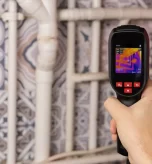
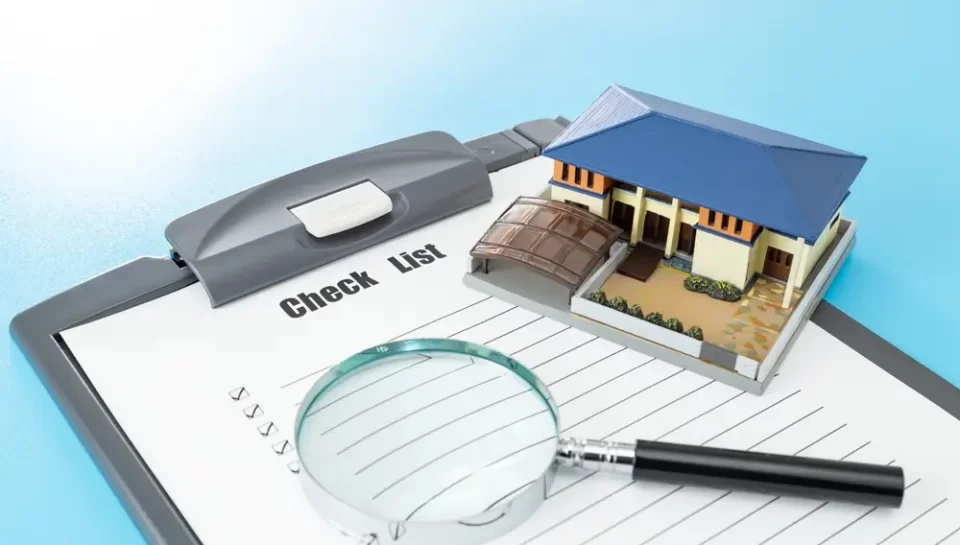
When buying or selling a home, a thorough inspection is one of the most critical steps. A pre-home inspection helps sellers identify potential problems before listing their house for sale. It also gives buyers peace of mind by showing the real condition of the property. If you’re planning a home inspection before listing or buying, this guide provides all the necessary information.
What is a Pre Home Inspection?
A pre-home inspection, also known as a pre-listing inspection, assesses a property’s condition before it is listed for sale. The seller typically arranges this inspection, but it can also benefit buyers, especially in competitive markets.
Why is a Pre Listing Inspection Important?
A pre-listing home inspection allows sellers to:
- Discover and fix problems early
- Avoid last-minute surprises during the buyer’s inspection
- Improve listing price confidence
- Speed up the transaction process
- Boost buyer trust and transparency
Also Read: Top Reasons Home Inspections Fail and How to Fix Them?
Home Pre Inspection vs Buyer’s Inspection?
| Aspect | Pre Home Inspection (Seller) | Buyer’s Inspection |
| Timing | Before listing the property | After the offer is accepted |
| Initiated by | Seller | Buyer |
| Goal | Address issues upfront | Identify issues before finalizing |
| Benefits | Faster sales, better negotiation power | Leverage for repairs or a price cut |
Pre Listing Inspection Cost
The cost of a pre-listing inspection varies based on location, property size, and the scope of the inspection. On average in Riverside, California:
- Small homes (under 1,500 sq ft): $300 – $400
- Medium homes (1,500–2,500 sq ft): $400 – $550
- Large homes (2,500+ sq ft): $550 – $700
Optional add-ons such as mold, sewer, roof, or termite inspections can increase the total price.
What Does a Pre Home Inspection Include?
Most pre-listing inspections follow the InterNACHI or ASHI standards. Here’s what a typical inspection covers:
Structural Components
- Foundation
- Framing and walls
- Roof structure
Exterior Elements
- Roof condition and gutters
- Siding, windows, and doors
- Driveways, walkways, decks, and porches
Interior Systems
- Ceilings, walls, and floors
- Stairs, railings, fireplaces
Plumbing
- Pipes and water heaters
- Fixtures and drainage
Electrical
- Panel, breakers, wiring
- Outlets, lighting, GFCIs
HVAC
- Furnace, air conditioning
- Ductwork and vents
Appliances (optional)
- Dishwasher, oven, washer/dryer
Pre-Purchase Inspection List for Buyers
Buyers should use a checklist to ensure no detail is overlooked. Here’s a helpful pre-purchase inspection list:
- Roof condition and age
- Foundation cracks or shifts
- Electrical panel, outlets, and visible wiring
- Plumbing leaks or corrosion
- Water heater condition
- HVAC functionality and maintenance history
- Attic and insulation condition
- Windows and doors functionality
- Signs of mold or mildew
- Exterior drainage and grading
Having this list handy ensures that buyers understand the potential issues that might affect the home’s value or safety.
Pre-Sale House Inspection Tips for Sellers
Before scheduling a pre-sale house inspection, sellers can take proactive steps to make the process smoother:
- Declutter access points (attic, basement, electrical panel)
- Replace light bulbs and test smoke detectors
- Repair minor leaks or cosmetic issues
- Label unknown breakers in the electrical panel
- Clean gutters and downspouts
- Check for pest signs and address them
These small efforts demonstrate responsibility and care, enhancing buyer impressions and reducing the need for repair negotiations.
How a Pre-Listing Inspection Helps the Sale?
A pre-listing inspection doesn’t just uncover flaws — it’s a strategic move. Here’s why:
- Transparency builds trust. Buyers are more confident when inspections are upfront.
- Smoother negotiations. Sellers who disclose everything reduce back-and-forth.
- Quicker closings. Fewer surprises mean faster escrow.
- Stronger marketing. You can use “pre-inspected” as a selling point.
Also Read: Top Things to Look for in a Condo Home Inspection
Should You Share the Inspection Report?
In most cases, yes. Sharing the report shows good faith and helps attract serious buyers. It also allows you to:
- Provide documentation of repairs
- Reduce repeated inspections
- Speed up the offer process
However, consult your real estate agent or attorney before disclosing.
Common Issues Found in Pre-Listing Inspections
Sellers are often surprised by hidden problems. Some common issues include:
- Aging roofs
- Faulty electrical connections
- Plumbing leaks
- Foundation cracks
- HVAC inefficiencies
- Water damage or mold
Even if the home appears well-kept, inspectors are trained to find the unseen. Addressing these early saves time and stress later.
FAQs
1. Do sellers have to fix everything after a pre-listing inspection?
No. While it’s beneficial to address significant issues, sellers aren’t obligated to fix every item. They can choose what to repair, disclose, or adjust in the price.
2. Is a pre listing inspection worth the cost?
Yes. Spending a few hundred dollars can save thousands in last-minute repairs or price reductions. It also gives you more control over the timeline and repair choices.
3. Can buyers still do their own inspection after a pre listing one?
Absolutely. Buyers often conduct their own inspection, even if a seller provides one. However, a pre-listing report can help alleviate buyer concerns or identify any potential surprise findings.
4. How long does a pre-home inspection take?
Most inspections take 2–3 hours, depending on the property size. Larger homes or add-ons, such as pools or detached garages, may take longer.
5. Should I attend the inspection?
If you’re the seller, it’s best to let the inspector work uninterrupted. If you’re a buyer, attending helps you understand issues firsthand and ask questions directly.
Conclusion
At Key Property Inspection Group in Riverside, California, informed decisions lead to better outcomes. Whether you’re preparing to sell or getting ready to buy, understanding what goes into a pre-home inspection gives you the confidence to move forward. Use this guide to stay ahead of issues, boost buyer trust, and secure a smoother real estate transaction.
Google Map Link: https://maps.app.goo.gl/SxBMeJXdTfiZHj8r5
Instagram Link: https://www.instagram.com/keypropertyinspectiongroup/
Facebook Link: https://www.facebook.com/pg/Keypropertyinspectiongroup/
LinkedIn Link: https://www.linkedin.com/company/key-property-inspection-group/
Twitter Link: https://twitter.com/inspection_key