When a plug‑in tester flashes OPEN GROUND, it’s more than a confusing label; it’s a safety warning. In simple terms, the outlet’s grounding path is missing or disconnected. Power may still flow, but the protective route that helps breakers trip and directs fault current away from you has disappeared.
This guide explains what open ground means and why it is important. It also shows how to diagnose it safely. Finally, it provides the best ways to fix an open ground outlet. This way, homeowners in the U.S. can make smart choices that follow the code.
What Is an Open Ground?
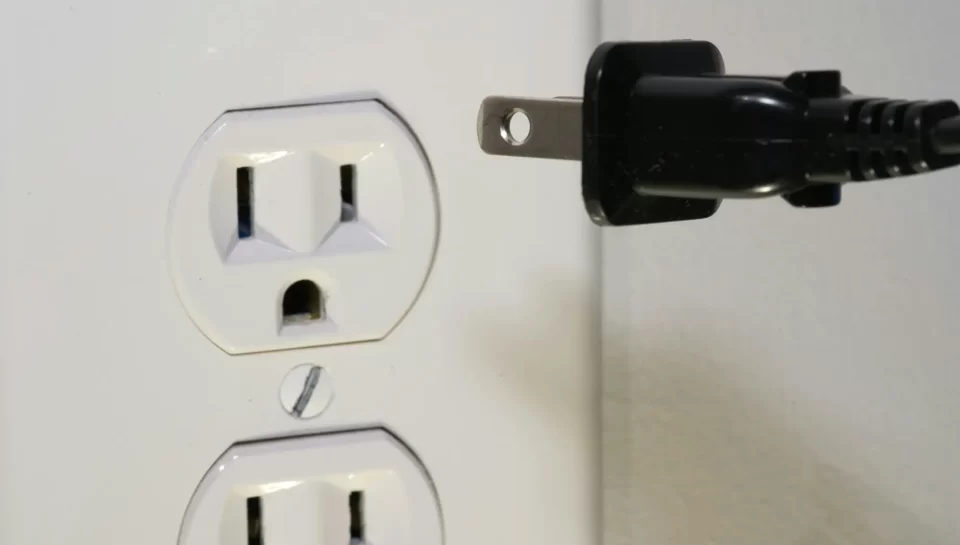
An open ground indicates that the ground terminal of a receptacle does not connect back to the electrical panel. Three-slot outlets have a round hole for grounding. If someone breaks this path, the outlet may still work. However, shock and surge protection will be lower.
Also Read: Top Reasons Home Inspections Fail and How to Fix Them?
On a tester, you might see phrases like “outlet open ground,” “what does open ground mean on an outlet tester,” or simply “open ground.”
Quick Tester Results Guide
| Tester Result | What It Means | Risk Level |
|---|---|---|
| Properly Grounded | Hot, neutral, and ground are wired correctly | Low |
| Open Ground | No grounding path back to the panel | Medium–High |
| Reverse Polarity | Hot and neutral swapped | High |
| Open Neutral | Neutral disconnected | High |
Why does an Open Ground Matter?
- Shock protection: Without a ground, a fault can energise metal appliance cases instead of quickly tripping the breaker.
- Electronics safety: Surge protectors rely on a ground to safely shunt energy. An open ground electrical outlet can compromise protection.
- Code & insurance expectations: Real estate transactions and insurers often expect grounded or code‑compliant outlets.
- Hidden wiring issues: An open ground can signal loose connections, damaged devices, or ageing wiring that deserves attention.
Common Causes of Open Ground
- Loose or disconnected ground wire connection at the receptacle, metal box, or an upstream junction.
- Worn, cracked, or backstabbed receptacles that failed internally.
- Improper “bootleg” ground (tying neutral to ground at the outlet), dangerous and not code‑compliant.
- Older two‑wire circuits that never had a dedicated ground conductor.
- One upstream fault causes several open ground outlets to display the same reading downstream.
How to Diagnose Safely?
- Use a three‑light tester. If it shows open ground, check nearby outlets. This will help you find out if the problem is just one outlet or part of a larger issue. This helps answer what an open ground means in your specific room.
- Identify the first device in the run. When several outlets show the same reading, the first upstream device often holds the fault.
- Check GFCI devices and breakers. Press Test and Reset. A failed GFCI won’t create a ground, but it can impact protection or mask other defects.
- Stop before opening boxes unless you’re qualified. A licensed electrician should handle any wiring work.
How to Fix an Open Ground? (Overview)
Below are practical, code‑respecting options your electrician may consider. Your home’s age, wiring method, and panel configuration determine the right fix.
1. Reconnect or bond the ground correctly
If there is a ground conductor, connect it to the green screw on the receptacle. Also, bond it to the metal box with an approved clip or screw. Replace worn devices and avoid backstabs by using side screws. This is often the quickest open ground outlet repair.
2. Repair an upstream break
Trace the circuit from the last good grounded device to the first bad reading. Loose wire nuts, broken pigtails, or a cracked outlet can break the ground path. This can cause open ground electrical readings downstream.
3. Provide GFCI protection on two‑wire circuits
If there’s no ground conductor (common in older homes), a GFCI receptacle or GFCI breaker adds shock protection. Per code, label the receptacle and any protected downstream three‑slot outlets “No Equipment Ground.” This improves safety but does not create a ground.
4. Run a new grounded cable
The best long‑term solution is to install a new cable with a dedicated ground back to the panel. It supports surge protection, modern appliances, and future upgrades. This is the preferred fix for high‑value electronics or during remodels.
5. Replace damaged devices
If the issue is a failed receptacle or worn terminals, replace the device. Use the screw terminals and proper torque; avoid pushing conductors into backstab holes.
Also Read: How to Fix a Squeaky Ceiling Fan Fast and Easy?
Quick Remedy Comparison
| Remedy | When It’s Appropriate | Notes |
| Reconnect ground | Ground exists, but is loose | Fast, restores the intended safety path |
| Fix the upstream break | Several outlets read open ground | Locate the first device in the run and repair |
| GFCI on two‑wire | No ground conductor available | Label “No Equipment Ground”; adds shock protection only |
| New grounded cable | Remodels or sensitive electronics | Best long‑term safety and surge performance |
Prevention Tips
- Use quality receptacles and tighten terminations to spec; avoid backstabs.
- Prioritise GFCI/AFCI where required (kitchens, baths, laundry, garage, exterior).
- Don’t rely on “cheater” adapters; they don’t fix an open ground plug or outlet.
- Keep surge protectors only on properly grounded circuits.
- Schedule periodic checks after renovations or when adding major appliances.
How Key Property Inspection Group Helps?
During a home inspection, Key Property Inspection Group checks some outlets. They note issues like open ground, reverse polarity, or open neutral. They also explain the next steps to take with a licensed electrician.
Our goal is to help homeowners and buyers in the U.S. understand risks clearly. We want them to plan smart fixes that follow the code.
FAQs
1. Is an open ground dangerous?
Yes. Devices may power up, but without a ground, there’s no low‑resistance path for fault current. That increases shock risk and can keep breakers from tripping quickly. It also reduces the effectiveness of surge protection, raising the chance of electronics damage.
2. Can I install a three‑prong outlet without a ground?
You can install a GFCI on a two-wire circuit. Label that receptacle and any downstream three-slot outlets as “No Equipment Ground.” This is a permitted safety improvement, but it doesn’t provide a real ground or full surge performance. Plan for a grounded cable when feasible.
3. Will a power strip or surge protector fix an open ground outlet?
No. Surge protectors rely on a ground path to divert energy safely. On open ground, someone may compromise electrical outlets. Fix the ground connection or use a labelled GFCI as an interim step while planning a permanent grounding upgrade.
4. Why does only one outlet show open ground while others seem fine?
The problem can be local, a loose or broken ground at that box, or upstream if outlets are daisy‑chained. A single poor connection can cause several outlets to read open ground. Tracing from the panel toward the affected area helps isolate the first fault.
5. What does open ground mean on an outlet tester?
It indicates the tester didn’t detect a path from the receptacle’s ground terminal back to the panel. The outlet might work, but it reduces shock and surge protection. Confirm across nearby outlets and plan the correct repair with a qualified electrician.
Conclusion
In short, what does open ground mean? The safety ground is missing. Begin with a tester. Fix any loose or upstream connections. Use a GFCI if there is no ground. Plan for a permanent grounding upgrade when you can.
Key Property Inspection Group helps you find problems, like what an open ground outlet is. We also show you how to fix open ground issues. This way, you can work with a licensed electrician to find the right solution.
Google Map Link: https://maps.app.goo.gl/SxBMeJXdTfiZHj8r5
Instagram Link: https://www.instagram.com/keypropertyinspectiongroup/
Facebook Link: https://www.facebook.com/pg/Keypropertyinspectiongroup/
LinkedIn Link: https://www.linkedin.com/company/key-property-inspection-group/
Twitter Link: https://twitter.com/inspection_key