A septic tank inspection is a crucial component of maintaining a healthy and functional septic system. Homeowners should be aware of what a septic inspection entails and how it works. This knowledge can help avoid serious problems and expensive repairs.
If you’re buying a new home, taking care of your property, or noticing signs of trouble, this guide will help. It explains what a septic inspection is and why it matters.
What Is a Septic Tank Inspection?
A septic tank inspection is a careful check of your home’s septic system. This includes inspecting the tank, drain field, pipes, and other components. The goal is to check the system’s overall condition. We want to find leaks or blockages. We also need to ensure that everything is working properly.
During an inspection, septic tank inspectors examine various components of the system. They look at sludge levels and signs of overflows. They also examine the tank and baffles. Finally, they see if the drain field is absorbing wastewater well.
Also Read: Top Things to Know Before Your Next Chimney Inspection
Why You Need a Septic Tank Inspection?
Regular septic tank inspections offer several benefits:
- Prevent system failure: Detect early warning signs like blockages or damage.
- Protect your health: Avoid contamination of groundwater and nearby water sources.
- Save money: Address small issues before they become costly repairs.
- Meet legal requirements: Inspections are often required when buying or selling a home.
- Keep your property safe: Prevent unpleasant backups, bad odors, and unsafe conditions.
If you’re wondering how to determine if you have a septic tank, a professional septic inspector can help locate and confirm your system.
When Should You Get a Septic Inspection?
Several times exist when a septic inspection is highly recommended:
- Before buying or selling a home
- Every 1 to 3 years, as part of routine maintenance
- If you notice slow drains or gurgling toilets
- After a flood or heavy storm
- If you’ve recently added more people or plumbing to your home
Key Components of a Septic System
Understanding what’s being inspected starts with knowing the components of a septic system. Here’s a breakdown:
| Component | Purpose |
| Septic Tank | Collects and separates solid waste from liquids. |
| Inlet & Outlet Baffles | Regulate the flow of wastewater into and out of the tank. |
| Distribution Box | Directs wastewater evenly to the drain field. |
| Drain Field (Leach Field) | Absorbs and filters wastewater, allowing it to be reabsorbed back into the soil. |
| Inspection Pipes | Allow inspectors to check liquid levels and conditions. |
Each of these parts plays a critical role. During an inspection, the condition, performance, and cleanliness of each will be checked.
Types of Septic Inspections
There are two main types of septic tank inspections:
1. Visual Inspection
This is often done during home transactions. The inspector will:
- Check the water flow from fixtures.
- Look for signs of standing water or odor.
- Examine maintenance records and visible system parts.
2. Full Inspection
This is a more thorough process and includes:
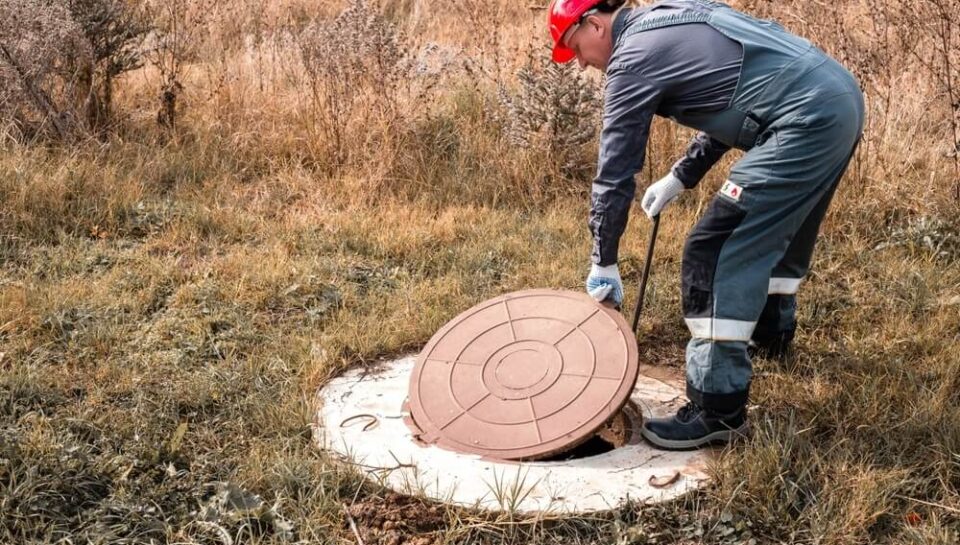
- Removing the tank lid to check sludge levels.
- Pumping the tank to examine for cracks or blockages.
- Inspecting baffles, distribution boxes, and the septic drain field.
- Testing the flow of wastewater through the system.
How Septic System Testing Is Performed?
Septic system testing may involve the use of dyes, water volume tests, or camera inspections. These techniques enable inspectors to trace wastewater flow and identify hidden issues, such as cracks, root infiltration in pipes, or over-saturation of the underground septic system.
Septic Inspection When Buying a House
A septic inspection is vital when buying a house. Many older homes rely on septic systems, and you don’t want to inherit an expensive problem. Ensure the system is functioning properly and that any previous pumping or repairs are properly documented.
Buyers often ask, How do you inspect a septic tank when it’s underground? Trained septic tank inspectors use access risers or digging tools to reach and evaluate the system safely.
Cost of a Septic Tank Inspection
The cost of septic tank inspection varies based on location, size of the system, and type of inspection. On average:
- Visual inspection: $100–$250
- Full inspection: $300–$600
In some cases, costs may rise if pumping, testing, or digging is required.
Signs You May Need a Septic Inspection
Watch out for the following signs that you may need a septic system check:
- Bad smells around the yard or drains
- Wet spots in your lawn over the septic field
- Slow flushing or draining
- Gurgling noises from toilets
- Frequent backups
These signs should not be ignored, as they may indicate a failing system or the need for urgent septic pumping and inspection.
Also Read: What to Expect During an HVAC System Inspection?
How to Inspect a Septic System Safely?
Professional septic system inspectors use the following steps:
- Locate and access the tank.
- Measure sludge and scum levels.
- Check the inlet and outlet pipes.
- Inspect the tank walls and baffles.
- Examine the septic drain field for areas that are soggy or overused.
Never try to open or inspect a septic tank on your own. It contains harmful gases and bacteria that can be dangerous.
Benefits of Hiring Professional Septic Inspectors
- Experience and tools: Certified inspectors use specialized tools to check what you can’t see.
- Accurate reporting: You receive detailed inspection reports that aid in home sales or repairs.
- Safety and efficiency: Professionals know how to navigate confined spaces safely.
- Peace of mind: Prevent future problems by catching issues early.
FAQs
1. How do I know if I have a septic tank or a sewer connection?
You can check your property records or ask your local municipal office. If you live in a rural or remote area, you likely have a septic system. A professional inspection can confirm the type and location of the system.
2. How often should a septic tank be inspected?
For most homes, a septic tank inspection should be done every 1 to 3 years. More frequent inspections may be necessary if you have a large household, a small tank, or frequently use a garbage disposal.
3. What is included in a full septic inspection?
A comprehensive inspection includes measuring the sludge level, inspecting the baffles, examining the tank structure, evaluating the septic drain field, and assessing the overall performance of the system.
4. Can a septic system be inspected in winter?
Yes, but cold weather can make it more difficult, especially if the ground is frozen. It’s best to plan your septic system inspections during milder seasons unless an emergency arises.
5. How much does it cost to replace a failing septic system?
Depending on size and complexity, replacing a septic system can cost between $6,000 and $15,000 or more. That’s why routine inspections are a cost-saving strategy.
Conclusion
A septic tank inspection is not just a routine task—it’s a necessary part of keeping your home healthy, safe, and functional. By understanding how the system works and when to call a septic tank inspector, homeowners can protect their investment and avoid costly surprises.
Whether you’re buying a home, planning maintenance, or noticing issues, schedule an inspection with a trusted professional. For expert help and peace of mind, visit Key Property Inspection Group.
Google Map Link: https://maps.app.goo.gl/SxBMeJXdTfiZHj8r5
Instagram Link: https://www.instagram.com/keypropertyinspectiongroup/
Facebook Link: https://www.facebook.com/pg/Keypropertyinspectiongroup/
LinkedIn Link: https://www.linkedin.com/company/key-property-inspection-group/
Twitter Link: https://twitter.com/inspection_key