Choosing roof shingles is not just about color or curb appeal. The type of shingle you put on your home affects durability, maintenance, weather resistance, installation cost, and even how often you may need repairs in the future. That is why homeowners often ask what the different types of roof shingles are, which type of roofing shingles are best, and how roof shingle types and prices compare in real life.
This guide breaks down the most common shingle roof types used in the USA, explains their pros and cons, and helps you understand which option may fit your home, budget, and climate best.
Why Shingle Type Matters?
All roof shingles are designed to shed water, protect the roof deck, and handle seasonal weather changes. But different types of roof shingles perform very differently depending on the home and location.
Your choice can affect:
- Upfront roofing cost
- Lifespan and maintenance needs
- Wind and impact resistance
- Heat performance and energy efficiency
- Appearance and resale value
- Repair and replacement complexity
The best type of shingles for roof use is not always the most expensive one. It is the one that balances budget, climate, installation quality, and the home’s architectural style.
Also Read: How to Fix a Leaky Roof: Step-by-Step Repair Guide
The Main Types of Roof Shingles
When homeowners ask, “What are the 3 types of shingles used when roofing?” they are often talking about the most common asphalt categories. But there are several broader roofing shingle types worth understanding.
1) 3-Tab Asphalt Shingles
These are the traditional flat asphalt shingles with a uniform appearance.
Pros
- Usually, the most affordable option
- Widely available and familiar to many roofers
- Simple, clean look on basic home styles
Cons
- Shorter lifespan than heavier asphalt options
- Lower wind resistance than premium products
- Less dimensional appearance
3-tab shingles are often the entry point in roof shingles types and prices discussions because they are budget-friendly. Still, they are no longer the first choice for every homeowner.
2) Architectural Asphalt Shingles
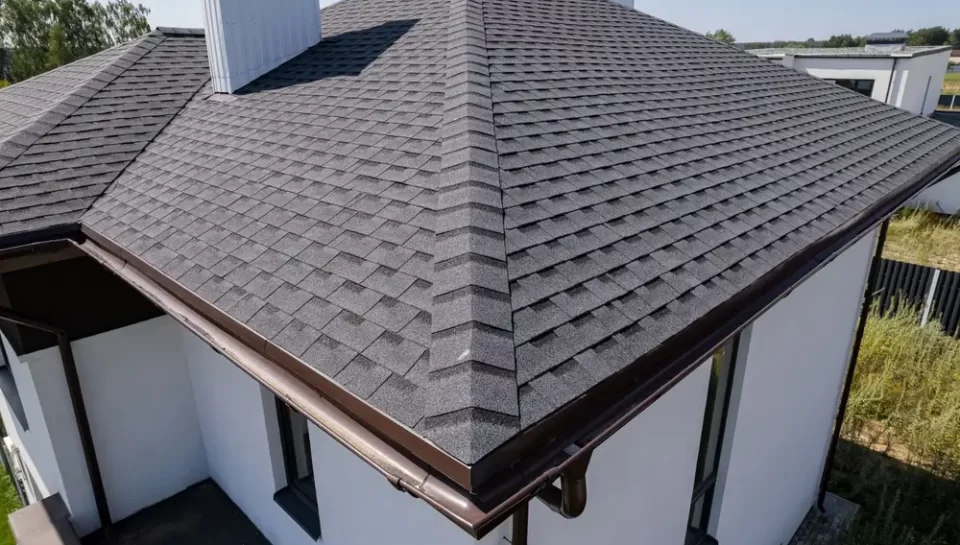
These are also called dimensional shingles or laminated shingles. They are one of the most popular types of asphalt roof shingles in the USA.
Pros
- Thicker and more durable than 3-tab shingles
- Better curb appeal with a dimensional look
- Improved wind resistance in many product lines
- Often, a strong balance between cost and performance
Cons
- More expensive than 3-tab
- Still vulnerable to aging, granule loss, and storm damage over time
- Quality varies by manufacturer and product line
For many homeowners, architectural shingles are the most practical answer to the question: What type of roof shingles are best for a standard residential home?
3) Luxury or Designer Asphalt Shingles
These premium asphalt roof shingle types are designed to mimic slate, cedar shake, or other higher-end roofing materials.
Pros
- High-end appearance without the full cost of natural slate or wood
- Thicker construction and stronger visual depth
- Often better warranty options than basic asphalt lines
Cons
- Higher material and installation cost
- Heavier than standard asphalt shingles
- Not always worth the price if appearance is not a priority
These are often included when people compare different types of asphalt roof shingles and want a more upscale look.
Beyond Asphalt: Other Common Shingle Roof Types
Wood Shingles and Wood Shakes
Wood roofing shingles are usually made from cedar or similar wood species.
Pros
- Natural, warm appearance
- Good curb appeal on traditional, coastal, or rustic homes
- Can age attractively if maintained
Cons
- Higher maintenance needs
- Fire code restrictions in some areas
- More vulnerable to moisture, insects, and rot if not maintained well
Wood shakes are generally thicker and more rustic than wood shingles, while wood shingles are more uniform.
Also Read: Metal Roof Leak Repair: How to Find and Seal the Leak?
Composite Shingles
Composite roof shingles types are made from engineered materials designed to imitate wood, slate, or tile.
Pros
- Lighter than some natural materials
- Designed for durability and appearance
- Often lower maintenance than wood
Cons
- Product quality varies widely
- Higher cost than standard asphalt in many cases
- Long-term performance depends heavily on the manufacturer’s quality
If you want the look of premium roofing without the structural load of heavy materials, composition roof shingles types may be worth comparing.
Slate-Look or Synthetic Slate Shingles
These are often grouped with composite shingles, but deserve mention because of their premium appearance.
Pros
- Elegant, upscale look
- Lower weight than natural slate
- Usually lower maintenance than real stone
Cons
- Higher upfront cost
- Installation may require more precision
- Not all products age the same way over time
Asphalt Shingle Grades and Quality Levels
Many homeowners search for roof shingle grades, shingle grades, or grades of asphalt shingles because not all asphalt products are equal.
A simple way to think about it:
| Shingle type | Typical quality level | General use case |
|---|---|---|
| 3-tab asphalt | Basic | Budget-driven replacement |
| Architectural asphalt | Mid-range | Most residential homes |
| Luxury asphalt | Premium | Higher-end appearance and thicker profile |
In practice, shingle types and quality also depend on brand, wind rating, impact rating, warranty terms, and installation quality.
Roof Shingle Thickness and Why It Matters
People often ask about roof shingle thickness or the thickness of shingles because thicker products are often associated with better durability.
Thickness can affect:
- Wind resistance
- Impact resistance
- Overall lifespan
- Visual depth on the roof
But thickness alone is not everything. Underlayment, attic ventilation, roof slope, and installation details can matter just as much as shingle weight or profile.
Roof Shingles Types and Prices: Practical Comparison
The right way to compare roofing shingles types is not just to ask “which is cheapest,” but to think in terms of value over time.
| Roof shingle type | Upfront cost level | Maintenance level | Typical appearance |
| 3-tab asphalt | Lower | Low to medium | Flat, simple |
| Architectural asphalt | Medium | Low to medium | Dimensional, popular |
| Luxury asphalt | Medium to higher | Low to medium | Premium, slate/shake-like |
| Wood shingles/shakes | Higher | Higher | Natural, traditional |
| Composite shingles | Medium to higher | Low to medium | Varies by style |
This is why roof shingles types and prices should always be evaluated together rather than in isolation.
Which Type of Roofing Shingles Should You Put on Your House?
There is no single best answer for every homeowner. The best type of roof shingles depends on several factors.
Consider architectural shingles if:
- You want a solid balance of cost and durability
- You live in a region with seasonal storms and want better wind performance than 3-tab
- You want a more dimensional appearance without luxury pricing
Consider 3-tab shingles if:
- Budget is the top priority
- You are replacing a roof on a lower-cost property
- Local conditions are mild, and appearance is less important
Consider wood or composite options if:
- You care strongly about style and architectural character
- The home design supports a premium roof look
- You are prepared for the higher material cost
Common Mistakes When Choosing Shingles
Homeowners often focus only on color or initial price and overlook bigger factors.
Common mistakes include:
- Choosing the cheapest product without checking wind and impact ratings
- Ignoring attic ventilation problems
- Not asking about underlayment and flashing details
- Matching a premium house style with the lowest-end roof product
- Forgetting climate factors like hail, humidity, heat, or snow load
Even the best type of shingles for roof use can underperform if installation or ventilation is poor.
FAQs
1. What are the most common types of roof shingles used in the USA?
The most common options are 3-tab asphalt shingles, architectural asphalt shingles, and luxury asphalt shingles. These three make up a large share of residential roofing because they offer a wide price range and work on many house styles. Beyond asphalt, wood shingles, wood shakes, and composite shingles are also used, especially on homes where appearance is a bigger priority.
2. What type of roof shingles are best for most homes?
For many homeowners, architectural asphalt shingles are the best all-around choice. They usually offer a better mix of durability, appearance, and value than basic 3-tab shingles, while costing less than premium designer products. That said, the “best” type depends on your budget, local weather, and how long you plan to stay in the home.
3. Are thicker shingles always better?
Not always, but thicker shingles often perform better in terms of wind resistance and visual depth. They may also last longer in some conditions. However, thickness should be considered along with ventilation, roof design, underlayment, flashing, and workmanship. A thick shingle installed poorly can still fail early.
4. What is the difference between 3-tab and architectural shingles?
3-tab shingles have a flat, uniform appearance and are usually more affordable. Architectural shingles are layered and dimensional, giving them a heavier look and often better durability. Architectural shingles tend to have stronger wind performance and a longer expected service life, which is why they are often preferred for residential homes today.
5. How should I choose the right roof shingles for my house?
Start with your budget, then look at climate, home style, and long-term goals. If you want basic protection at the lowest upfront cost, 3-tab may work. If you want stronger performance and better curb appeal, architectural shingles are often the sweet spot. If your home has a premium design or you want a distinctive look, luxury asphalt, wood, or composite shingles may be worth comparing. It is also smart to consider roof ventilation and flashing details before making the final decision.
Conclusion
The different types of roof shingles each come with trade-offs in cost, durability, appearance, and maintenance. Understanding those differences makes it easier to choose the right roof for your home instead of just the most familiar or lowest-priced option. For many homes, architectural asphalt shingles offer the best balance. Still, the right answer always depends on your climate, budget, and the kind of performance you expect over time.
If you want an objective assessment of your roof’s current condition before deciding on replacement materials, Key Property Inspection Group can help document visible issues and support better roofing decisions.
.
Google Map Link: https://maps.app.goo.gl/SxBMeJXdTfiZHj8r5
Instagram Link: https://www.instagram.com/keypropertyinspectiongroup/
Facebook Link: https://www.facebook.com/pg/Keypropertyinspectiongroup/
LinkedIn Link: https://www.linkedin.com/company/key-property-inspection-group/
Twitter Link: https://twitter.com/inspection_key