Choosing new siding but torn between Dutch lap and traditional clapboard? This guide illustrates how the two profiles appear and how they function in real-world weather conditions. It also covers their costs across the U.S. and helps you choose the best option for your home.
We also compare common materials like vinyl, engineered wood (LP SmartSide), fiber cement, and wood. This helps you balance curb appeal, maintenance, and budget with confidence.
What Is Dutch Lap Siding?
Dutch lap is a horizontal profile with a beveled, slightly concave top edge. Once installed, each course casts a deeper shadow, creating a sculpted, hand‑crafted look. Popular in Colonial Revival, farmhouse, and other traditional styles. Dimension and shadow lines add character, even to lighter colors.
What Is Traditional (Clapboard) Siding?
Traditional lap (also called clapboard or bevel) stacks flat, slightly tapered boards. The shadow line is subtler, so walls read cleaner and more linear. This simplicity pairs well with contemporary, ranch, and craftsman homes. In some regions, you may hear “German siding,” often used to describe a Dutch lap–like profile.
Also Read: Flexible Propane Gas Line Guide: Sizes, Uses, and Safety
Head‑to‑Head Snapshot
| Factor | Dutch Lap | Traditional / Clapboard |
|---|---|---|
| Visual effect | Deep, sculpted shadows; high texture and contrast. | Clean, minimal, versatile with many styles. |
| Curb appeal | Adds historic charm and depth from the street. | Timeless, neutral, easy to coordinate. |
| Water shedding | A profile can help shed water at overlaps; installing a still key is still key. | Reliable shedding; performance hinges on install quality. |
| Installation | Requires consistent reveals for even shadows. | Generally straightforward; often a tad faster. |
| Cost impact | Similar to clapboard in vinyl; small premium possible in other materials. | Often, baseline pricing for the material. |
Note: “Double 4” and “4.5” describe reveal sizes in vinyl. Double 4 Dutch lap and 4.5″ Dutch lap vinyl affects look, not core durability.
Materials That Use These Profiles
Your long‑term results depend more on material than on profile. Both Dutch lap and clapboard options are available below.
Vinyl (including Dutch lap vinyl)
- Low-maintenance and budget-friendly with a wide range of color choices.
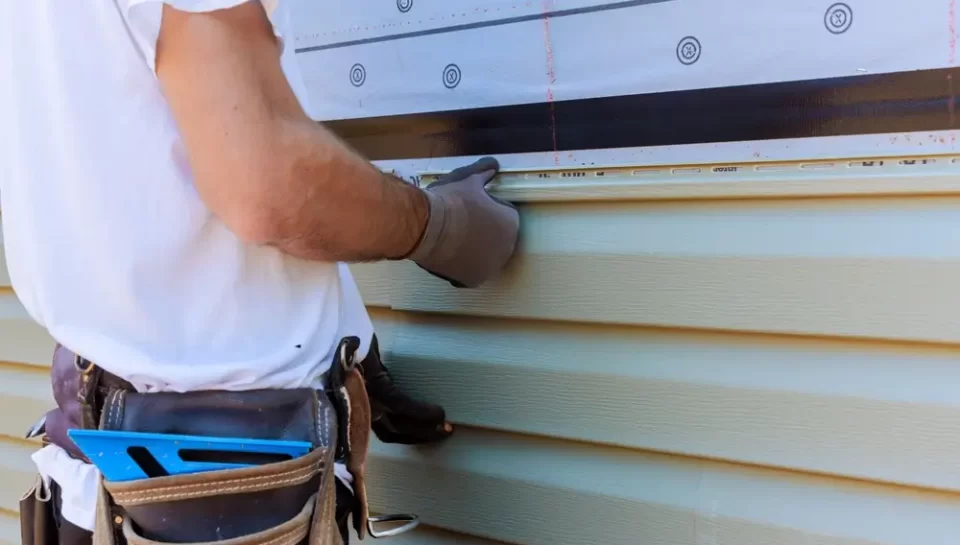
- Common formats include double 4, which has two 4-inch boards per panel. Double 4 Dutch lap also features panels with a curved notch for a decorative shadow line. Lastly, there is the 4.5″ Dutch lap, which has a 4.5-inch board and a similar notch. A Dutch lap siding mounting block, a flat piece installed on siding, keeps fixtures, such as lights or hose bibs, sealed and tidy.
- Sometimes people search for “LVP siding,” but LVP actually refers to laminate flooring. For siding, you’ll see vinyl or LP (Louisiana‑Pacific) engineered wood, two different products.
Engineered Wood (LP SmartSide)
- Markedsført som LP SmartSide lap siding, LP SmartSide siding paneler eller LP Smart Panel, når man bruger 4×8 plader. Det kaldes ofte smart siding 4×8 eller 4×8 smart siding.
- What is LP siding made of? Engineered wood strands are small pieces of wood. They bond with resins, which serve as strong adhesives. Manufacturers also treat these strands with chemicals to resist moisture and insects.
- Trim systems, like SmartTrim, finish corners and transitions between siding sections. This creates a unified look.
Fiber Cement
- Dense, durable, and convincingly wood‑like with strong fire and insect resistance.
- Fiber cement siding comes in three types: lap (long planks), shingle (pieces that look like wood shakes), and panel (large sheets). Cutting and installing is heavier than other siding materials.
Wood
- Cedar and redwood offer unmatched natural beauty and can be refinished to maintain their appearance.
- Dutch lap wood siding (also known as wood Dutch lap siding) looks classic but requires vigilant finishing and maintenance.
Pros and Cons by Material (Profile‑Agnostic)
Vinyl (Dutch lap or clapboard)
- Pros: Lowest installed cost, minimal upkeep, wide style range.
- Cons: Can crack under impact or extreme cold; color changes require panel replacement rather than paint.
Engineered Wood (LP SmartSide / LP wood siding)
- Pros: Warm wood look, lighter than fiber cement, easy to cut, and accepts paint well.
- Cons: Requires correct flashing, end‑sealing, and scheduled paint/caulk upkeep. When people discuss LP siding problems, they usually mean older products. Modern LP siding works well when you install it correctly.
Fiber Cement
- Pros: Excellent durability, fire, insect, and rot resistance, and a strong resale value.
- Cons: Heavier; slower install; specialized cutting/handling.
Wood
- Pros: Natural aesthetic and repairability; ideal for historic districts.
- Cons: Highest maintenance; vulnerable to moisture and insects without meticulous care.
Also Read: How Preventive Maintenance Inspections Save Your Money?
U.S. Cost Guide (Installed)
Ballpark installed ranges depend on region, house complexity, trim details, and labor. Profile choice (Dutch lap vs. clapboard) rarely moves price in vinyl and only modestly in other materials.
| Material | Typical Installed Range (per sq. ft.) | What Increases Cost |
| Vinyl (Dutch lap or clapboard) | ~$3–$12 | Insulated panels, complex elevations, premium colors. |
| Engineered Wood (LP SmartSide lap / LP Smart Panel) | ~$6–$15 | Pre‑finish upgrades, tall walls, intricate trim, and repainting cycles. |
| Fiber Cement (lap) | ~$6–$15 | Heavier labor, detailed trim, specialized cutting/handling. |
| Wood (lap, including Dutch lap wood) | ~$8–$20 | Species/grade, finishing system, and frequent maintenance. |
Panelized approaches, like LP Smart Panel siding in 4×8 sheets, can lower labor costs on simple walls. However, they require careful seam detailing.
Which One Should You Choose?
- Choose Dutch lap if you want bolder shadow lines, a more historic vibe, or added dimension on a house with Dutch lap siding seen from the street. It pairs well with vinyl and with sculpted laps in engineered wood or fiber cement.
- Choose traditional or clapboard if you like clean, modern lines. This is good for mixing styles, like board-and-batten on gables. Also, the best choice for resale value.
- Success comes from paying attention to details. Use rainscreens, which are ventilated cladding systems, when needed. Install continuous housewrap, a water-resistant barrier. Include kick-out and Z-flashing to direct water away from walls. Maintain proper clearances from soil and roofing.
- This means keeping enough distance between the siding, the ground, and the roof. Use manufacturer-approved mounting blocks at penetrations. These special blocks ensure watertight installations.
FAQs
1. What is Dutch lap siding, in simple terms?
Dutch lap boards have a concave bevel at the top. When stacked, they create a deep shadow that looks more dimensional than flat clapboard. The profile is available in vinyl, fiber cement, wood, and engineered wood (e.g., LP SmartSide lap siding).
2. Is Dutch lap more durable than clapboard?
Durability depends far more on the material and installation than on the profile. The Dutch lap shape helps water flow off where boards overlap. However, flashing, house wrap, and proper clearances are key to preventing moisture problems over time.
3. Are there real problems with LP siding today?
Searches like ‘LP SmartSide siding problems’ or ‘LP siding issues’ often reference older generations. Manufacturers design modern LP SmartSide products to work well. They perform reliably when installed and maintained as the manufacturer advises. This includes sealing cuts, using the right fasteners, and following paint and caulk schedules. Ask to see recent local installs.
4. How do vinyl, fiber cement, and LP SmartSide compare for longevity?
All three can last decades. People value fiber cement for its fire and pest resistance. Vinyl is easy to maintain but can crack with hard hits. LP SmartSide gives a warm wood look and is easier to handle than fiber cement. Climate, exposure, and upkeep should guide your pick.
5. Does a Dutch lap cost more than a traditional lap?
In vinyl, Dutch lap usually prices similarly to clapboard. In engineered wood and fiber cement, a sculpted or beaded lap may carry a small premium. The biggest cost drivers are material, house complexity, and trim/finish packages, not the profile alone.
Inspector’s Checklist (From a Home‑Inspection Lens)
- Moisture management: Kick‑out flashing at roof‑wall intersections; Z‑flashing over horizontal joints; correct window/door flashing tapes.
- Clearances: Maintain manufacturer‑specified gaps from soil, paving, and roof shingles.
- Penetrations: Use purpose‑made mounting blocks and sealant for lights, vents, and bibs.
- Maintenance: Re‑caulk and repaint engineered wood and wood on schedule; replace cracked vinyl promptly.
At Key Property Inspection Group, we record these details during inspections. This helps buyers and owners keep their siding in good shape for a long time.
Bottom Line
Choose a style that fits your building. You can pick Dutch lap for deeper shadows and historic charm. Or, choose clapboard for a simple and sleek look. Then, choose the material that best suits your climate, budget, and maintenance habits. With proper detailing and installation, either profile can effectively protect your home and enhance its curb appeal for years.
Google Map Link: https://maps.app.goo.gl/SxBMeJXdTfiZHj8r5
Instagram Link: https://www.instagram.com/keypropertyinspectiongroup/
Facebook Link: https://www.facebook.com/pg/Keypropertyinspectiongroup/
LinkedIn Link: https://www.linkedin.com/company/key-property-inspection-group/
Twitter Link: https://twitter.com/inspection_key