If you’ve been looking at Boral exterior products and wondering what Boral siding is made of, you’re not alone. Homeowners often want to know what they are buying. They want to understand how it performs in heat, cold, rain, and sun. They also want to know if it acts more like wood, fiber cement, or a composite.
This guide explains the main Boral materials in standard products. It covers what “ash-based” siding means. It also describes how Boral clapboard, Boral shiplap siding, and Boral board and batten siding are different. Lastly, it discusses durability, maintenance, and real-world benefits.
What Is Boral Siding?
“Boral siding” is a general term for different exterior products. These mainly include siding and trim made from engineered materials instead of solid wood. You will find searches for Boral siding and trim, Boral exterior trim, and Boral trim. Many projects combine cladding profiles with matching boards for corners, fascia, and window surrounds.
A main keyword you will see is Boral Truexterior siding and Boral Truexterior trim. Sometimes, people write it as Boral Truexterior siding or Truexterior trim. These products are well-known as a strong alternative. Manufacturers design them to withstand weather and resist common wood problems like rot and insect damage.
What Is Boral Made Of?
The most common question—what is Boral made of—usually refers to Boral’s ash-based composites.
Boral composite and “ash-based” materials
Many Boral exterior products are based on a composite that uses mineral content and engineered binders. You’ll often see references to:
- Fly ash siding (or Boral fly ash siding)
- Poly-ash siding (or Boral poly ash siding)
In simple terms:
- Fly ash is an acceptable mineral byproduct produced from specific combustion processes. In building products, you can use it as part of a stable composite matrix.
- Poly-ash usually means a mix of ash-based minerals and polymer binders. This creates a strong and easy-to-work board.
That’s why you’ll also see keywords like Boral composites and Boral composite siding.
Also Read: How Long Does Masonite Siding Last? Full Guide
Why does the material matter?
Ash-based composites are popular because they’re designed to:
- Hold the paint well
- Resist moisture-related swelling
- Stay stable through temperature swings
- Cut and fasten with methods that feel more familiar to wood-style installations
Boral Siding Profiles and Product Styles
Boral products are often chosen for style flexibility. The same material system may be available in multiple looks—especially lap, bevel, shiplap, and vertical profiles.
Standard profiles homeowners search for
- Boral clapboard siding and Boral clapboard
- Boral lap siding and Boral Dutch lap siding
- Boral bevel siding and Boral Truexterior bevel siding
- Boral shiplap siding and nickel gap looks like Boral nickel gap siding
- Vertical options, including Boral vertical siding and vertical Boral siding
- Farmhouse-style Boral board and batten siding
- Specialty looks like Boral cove Dutch lap siding and Boral v rustic siding
Trim options
Trim is a primary reason people choose these systems. You’ll see:
- Boral Truexterior trim
- Boral exterior trim
- Poly ash trim
Trim boards are commonly used for corners, window/door casings, fascia, and decorative accents.
Key Benefits of Ash-Based Composite Siding
Not every home needs the same performance features. Still, these are the benefits most often associated with ash-based composite systems.
1) Stability and moisture resistance
These products help reduce common moisture problems in wood materials. This includes issues like edge swelling, cupping, and soft spots near the ground.
2) Paint performance
Many homeowners ask about painting Boral siding because they want a specific look or long-term color control. Many people support using ash-based composites. They believe these materials improve paint adhesion and finish quality. This is true when they are prepared and painted properly.
3) Workability for carpentry-style installs
Installers often prefer ash-based trim and siding. It can be cut, fastened, and detailed like wood. This helps reduce the moisture risks that come with using wood.
4) Design versatility
Boral offers different siding styles. You can choose from shiplap, nickel gap, and vertical board-and-batten looks. These options let you create various architectural styles without changing materials.
Material Comparison: Where Ash-Based Composites Fit
Instead of comparing brands, it’s more useful to compare material categories. This table keeps the comparison practical and neutral.
| Category | Typical Strengths | Typical Watch-Outs | Best Use Cases |
|---|---|---|---|
| Ash-based composite (poly-ash / fly ash composite) | Stable, paint-friendly, detailed trim work, and moisture resistance | Needs correct flashing and clearances; follow the manufacturer install details | Trim-heavy designs, detailed façades, areas with weather exposure |
| Natural wood siding | Classic look, easy field modifications | Rot/insect risk, higher maintenance cycles | Homes where natural wood character is a priority |
| Vinyl siding | Lower maintenance, budget-friendly | Can look less “sharp” around detailed trim; impact and heat concerns | Simple exteriors, budget-driven projects |
| Fiber-cement category | Durable, common profiles | Heavier installs; strict cutting/dust controls; detailed install requirements | High durability needs, varied architectural styles |
No matter the Material, the most significant performance driver is installation quality (flashing, drainage, and clearances).
Installation Factors That Affect Performance
Searches for Boral Truexterior siding installation, Boral siding installation, and Boral siding instructions show the same truth. Siding success is 70% about the product and 30% about how well it is installed.
The details that matter most
- Proper flashing at roof-to-wall transitions and penetrations
- Drainage and weather-resistive barrier continuity
- Correct clearances above grade and hard surfaces
- Sealant use where appropriate (without blocking drainage paths)
- Correct fastening schedule and joint spacing per product profile
If these details are missed, even high-quality siding can have problems. Boral siding can face issues like moisture getting behind the cladding or paint failing too soon.
Colors, Finishes, and What to Expect
Many people look for Boral siding colors, Boral Truexterior siding colors, and Boral siding profiles. They do this to plan their exterior color scheme.
What matters more than the color name is the finish system:
- Factory-primed boards vs field-primed
- Paint compatibility and recommended coating systems
- Sun exposure on specific elevations (south/west walls in many regions)
If you’re repainting or changing color, always follow the coating guidance for the specific board type.
Also Read: Metal Roof Leak Repair: How to Find and Seal the Leak?
Cost and Availability: What Homeowners Should Know
You will find many searches about Boral siding cost. People ask how much Boral siding costs. They look for the cost per square foot. Some even search for specific types, like Boral nickel gap siding cost or Truexterior siding cost.
Rather than quoting a number that varies wildly by state and labor market, here’s what typically drives cost:
| Cost Driver | What It Changes |
| Profile type (lap vs shiplap vs board-and-batten) | Material waste, labor time, detailing complexity |
| Trim package size | More trim details increase material and labor costs |
| Labor rates in your area | Can swing the total project pricing significantly |
| Wall condition and prep | Repairs to the sheathing/flashing increase the scope |
| Finish approach (paint/prime) | Coating steps and scaffolding increase labor costs |
Availability can also vary by region and distributor networks (searches like Boral siding distributors are common). If a homeowner hears a line is “hard to find” or Boral siding is discontinued, it’s best to confirm availability locally before finalizing a design that depends on a specific profile.
FAQs
1. What is Boral siding made of, and what does “poly-ash” mean?
Boral exterior products are often associated with engineered composites that use mineral content such as ash and a binder system to create stable boards. “Poly-ash” is commonly used to describe an ash-based composite that includes polymer binders. The goal is to create a siding or trim board that behaves consistently in real weather—reducing the swelling and rot concerns that can affect some wood-based products while still supporting detailed trim and paint finishes.
2. How can I tell which Boral profile I have (clapboard, shiplap, nickel gap, or board-and-batten)?
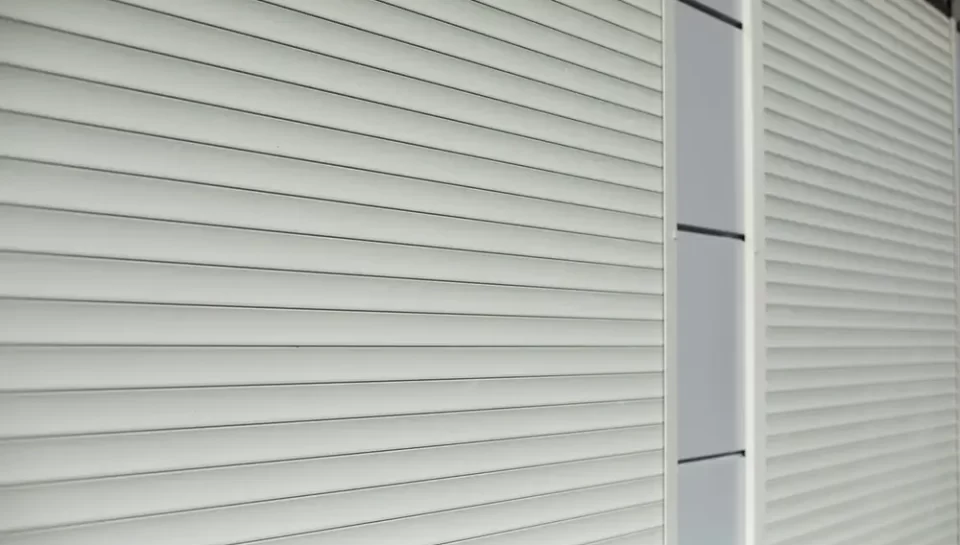
Start with the shadow line. Boral clapboard siding and lap profiles show a classic overlap where one board covers the top edge of the next. Boral shiplap siding tends to have a flatter face with a tight, clean joint line. In contrast, Boral designs nickel gap siding to show a consistent “reveal” gap for a modern plank look. Boral board and batten siding is vertical—wide boards with narrow battens covering the seams. If you’re unsure, measure the exposure width and take a side-angle photo; the joint detail is usually the giveaway.
3. Is painting Boral siding required, and how long does paint typically last?
Many Boral composite products are made to be easy to paint. Homeowners often paint to get specific colors or a fresh look over time. Paint life depends on prep, coating quality, and exposure—especially full sun and heavy rain elevations.
The most important factors are proper priming (if needed), using compatible exterior coatings, and managing moisture (flashing and clearances). People often link paint failures to water intrusion or poor prep rather than to the siding itself.
4. What are the most common installation mistakes that lead to siding problems?
The most common issues come from water management details: missing or incorrect flashing, blocked drainage paths, and insufficient clearance above grade or hard surfaces. Fastener spacing and joint handling matter too, but water intrusion behind the cladding is the most significant driver of long-term problems. Following the correct installation instructions for the exact profile—especially around windows, doors, roof intersections, and penetrations—helps prevent recurring repairs.
5. Why do Boral siding costs vary so much from one project to another?
Cost swings usually come from labor and complexity rather than a single “per square foot” number. A basic lap install with minimal trim tends to cost less than a trim-heavy design using nickel gap, shiplap, or board-and-batten details. Two-story access, wall repairs, flashing upgrades, and finishing (priming/painting) can also change the final total significantly. The best way to estimate is to choose the profile and trim package first, then account for labor and prep conditions.
Conclusion
So, what is Boral siding made of? In many cases, homeowners are looking at ash-based composite systems—often discussed as poly ash siding or fly ash siding—paired with matching trim for a cohesive exterior. The key benefits are stability, paint performance, and the ability to achieve multiple architectural looks, from Boral clapboard to Boral shiplap siding, nickel gap, and board-and-batten.
If you want a clear, objective view of your home’s exterior condition—especially moisture risks around siding, flashing, and trim—Key Property Inspection Group can help document what’s present, and support informed next steps.
.
Google Map Link: https://maps.app.goo.gl/SxBMeJXdTfiZHj8r5
Instagram Link: https://www.instagram.com/keypropertyinspectiongroup/
Facebook Link: https://www.facebook.com/pg/Keypropertyinspectiongroup/
LinkedIn Link: https://www.linkedin.com/company/key-property-inspection-group/
Twitter Link: https://twitter.com/inspection_key