Seeing dark stains on a wall, ceiling, or shower grout can raise alarms. People often mention “black mold” as if it were one dangerous thing. Black mold can mean there is a moisture problem. Damp indoor spaces can cause respiratory issues and allergy symptoms for many people.
This guide explains what black mold is. It shows how to spot common warning signs. It also covers why mold is dangerous. Finally, it tells you what to do about black mold to protect your home and health.
What Is Black Mold?
“Black mold” is a common nickname for dark-colored molds that appear greenish-black or black on building materials. When most people ask what black mold is, they often refer to Stachybotrys chartarum. This mold can grow on extremely wet, cellulose-rich materials like drywall paper, cardboard, and wood. But here’s the key: not all black mold is the same species.
That’s why “is all mold that is black black mold” and “is all black mold dangerous” are tricky questions. Color alone doesn’t tell you the type or the risk level. What matters most is the moisture source, the amount of growth, where it is, and whether it’s affecting indoor air.
Also Read: Chimney Inspection and Cleaning – Full Guide
Is Black Mold Dangerous?
Many people search “is black mold dangerous” because they’re worried about serious illness. Mold exposure can irritate the eyes, skin, nose, throat, and lungs. People who are allergic to mold or have asthma may have stronger reactions. Those with weakened immune systems or chronic lung disease may be at higher risk for infections.
So, how dangerous is black mold? For most healthy adults, short exposures may cause mild symptoms (or none). But living with ongoing dampness and mold growth can raise the chance of persistent respiratory symptoms and worsening asthma. In other words, mold is a problem worth taking seriously, without panic.
Black Mold Symptoms and Health Effects
People talk about “black mold sickness” in different ways. However, the most common symptoms of black mold exposure are similar to allergic and irritation responses.
Symptoms of black mold exposure that are commonly reported
- Stuffy nose, sneezing, or sinus congestion
- Coughing, wheezing, or chest tightness (especially in asthma)
- Itchy or watery eyes
- Sore throat
- Skin irritation or rash
When are symptoms more concerning?
If adults have ongoing black mold symptoms, it could be a problem. Symptoms include worsening asthma and frequent respiratory infections. If their symptoms improve when they leave home, mold and dampness might be the cause. If you have severe symptoms, consult a healthcare professional.
Important note: many “toxic black mold symptoms” lists online include broad symptoms like fatigue or brain fog. Research on mold and health effects is ongoing. The strongest evidence shows that dampness and mold can cause respiratory and allergic issues.
Where Black Mold Grows in a House
To spot black mold early, focus on areas that stay damp or experience recurring condensation.
Most common locations
- Bathrooms (especially shower corners, grout, and under sinks)
- Basements and crawl spaces
- Around windows (condensation and leaking frames)
- Attics (roof leaks and poor ventilation)
- Behind furniture on exterior walls
- Laundry rooms (poor venting)
- HVAC drip pans and nearby drywall
Black mold in showers poses health risks and is often linked to recurring moisture and poor ventilation. Even if the visible area looks small, it may signal hidden moisture behind tile or drywall.
Black Mold Signs: How to Spot It (Without Guessing)
If you’re asking “what does black mold look like,” use a combination of sight, smell, and moisture clues.
Visual signs
- Dark spotting or staining that spreads over time
- Fuzzy, slimy, or speckled patches (texture can vary)
- Paint bubbling or peeling
- Warped baseboards, swollen drywall, or soft wood
Smell and moisture signs
- Musty odor that returns after cleaning
- Condensation on windows or pipes
- Water stains on ceilings or walls
- Damp carpet edges near exterior walls
Quick identification table
| What You See | Could Be | What It Suggests |
|---|---|---|
| Small black dots on the shower grout | Mold/mildew from humidity | Improve ventilation, clean safely, and watch for return |
| Large dark patch on the drywall after a leak | Mold growth on wet paper backing | Fix the leak, remove the affected material if porous |
| Black staining on wood (especially near windows) | Mold or water staining | Check for ongoing moisture and hidden damage |
| Uniform dark streaks near vents | Dust/soot or condensation lines | Check HVAC, humidity, and airflow |
If you want to confirm the type of mold, testing is an option. However, controlling moisture and removing growth are usually the main priorities, regardless of the species.
How Much Black Mold Is Dangerous?
“How much black mold is dangerous?” depends on your sensitivity, the space, and whether spores and fragments are getting into breathing zones.
Small surface growth in a shower may be manageable. But bigger concerns include:
- Growth spread across walls or ceilings
- Mold on porous materials (drywall, insulation, carpets)
- A strong, persistent musty smell
- Mold following flooding, sewage backup, or long-term leaks
- Anyone in the home with asthma, severe allergies, infants, older adults, or immune compromise
Many public health resources say that if mold covers more than a 3 ft x 3 ft area, it’s best to get help. This is about 10 square feet. If the water damage is large, it’s also wise to call in experts.
What to Do About Black Mold
If you’re searching “what to do about black mold,” focus on two goals: stop the moisture and remove the mold safely.
Step 1: Stop the moisture source
- Fix plumbing leaks, roof leaks, or window leaks
- Improve bathroom ventilation (use an exhaust fan during and after showers)
- Reduce indoor humidity (often aim for a comfortable mid-range)
- Improve drainage outside (gutters, downspouts, grading)
Step 2: Decide what can be cleaned vs removed
- Non-porous surfaces (tile, glass, metal): often cleanable
- Semi-porous surfaces (some finished wood): may be cleanable if not deeply damaged
- Porous materials (drywall, insulation, carpet): often need removal if moldy
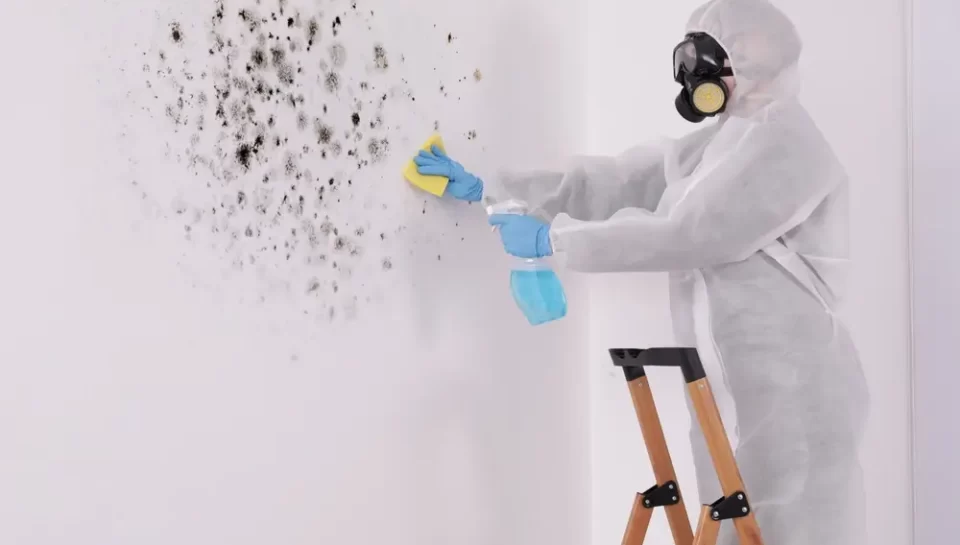
Step 3: Clean small areas safely
- Wear gloves and eye protection; consider a respirator if you’re sensitive
- Contain dust (don’t dry-scrub moldy drywall)
- Never mix bleach with ammonia or other cleaners
- Discard heavily contaminated porous items
If you think there is hidden mold behind walls, under floors, or in HVAC systems, it is best to get a professional assessment.
Also Read: What Is Boral Siding Made Of: Materials and Key Benefits
Can Black Mold Kill You?
“Can black mold kill you?” and “How long does it take for black mold to kill you?” are common fear-based searches. For most people, mold exposure is more likely to cause irritation or allergy symptoms. It can also worsen asthma. Suddenly, life-threatening outcomes are rare. Severe outcomes are more likely in rare situations involving significant exposure, high vulnerability (such as immune compromise), and unaddressed dampness.
The practical takeaway: treat mold as a serious home maintenance and indoor air quality issue. Don’t ignore it, but don’t assume every dark stain is instantly deadly.
FAQs
1. What does black mold do to you if you breathe it in?
Breathing in black mold (or any indoor mold) can irritate your airways and trigger allergy-like symptoms. What happens if you breathe in black mold depends on how sensitive you are. Some people feel nothing. Others may cough, wheeze, have itchy eyes, or feel congested. People with asthma may notice flare-ups, and those with mold allergies can have stronger reactions. If symptoms are severe or persistent, get medical advice and address the moisture problem at home.
2. Is all black mold toxic or dangerous?
No. Many molds can appear black or dark green, and not all produce the same compounds or cause the same reactions. Color alone can’t tell you which black mold is dangerous. The biggest risk factor is the environment; ongoing dampness, hidden growth, and poor ventilation increase exposure. Regardless of type, visible mold indicates you should fix the moisture and remove the growth.
3. What are the most common black mold symptoms in adults?
Black mold symptoms commonly include nasal congestion, sneezing, coughing, wheezing, throat irritation, itchy eyes, and sometimes skin irritation. Long-term exposure to black mold is more likely in damp areas. This is especially true for people who are sensitive, allergic, or have asthma. If you notice symptoms that improve when you leave the house, that pattern can be a useful clue to investigate indoor dampness.
4. What should I do first if I find black mold in my house?
Start by finding the moisture source: leaks, condensation, poor ventilation, or past water damage. Then decide whether the material can be cleaned (tile, metal) or needs to be removed (often drywall and insulation if affected). Keep the area ventilated, use basic protective gear, and avoid spreading dust. If the growth is widespread, keeps returning, or follows significant water damage, consider professional remediation.
5. Is black mold on the ceiling dangerous?
Black mold on a ceiling can be more concerning than a small shower spot because it often points to a roof leak, plumbing leak, or attic condensation, problems that can spread behind surfaces. It also sits overhead, meaning particles can fall or circulate into the room. Treat it as a sign to investigate moisture quickly, especially if the patch is growing or the ceiling shows staining, sagging, or peeling paint.
Conclusion
Black mold is best understood as a moisture warning sign, not just a stain. If you can spot the early signs, such as musty odors, recurring dark growth, condensation, and water stains, you can act before the damage spreads. Focus on stopping moisture first, then remove mold safely based on the material and the size of the affected area.
If you want an objective assessment of moisture entry points and visible conditions that can lead to mold growth, Key Property Inspection Group can document the findings and help you plan the right next steps.
.
Google Map Link: https://maps.app.goo.gl/SxBMeJXdTfiZHj8r5
Instagram Link: https://www.instagram.com/keypropertyinspectiongroup/
Facebook Link: https://www.facebook.com/pg/Keypropertyinspectiongroup/
LinkedIn Link: https://www.linkedin.com/company/key-property-inspection-group/
Twitter Link: https://twitter.com/inspection_key