
A home can look “perfect” on the surface and still have structural problems hiding underneath—foundation movement, framing damage, moisture-driven rot, or long-term settling that was patched cosmetically. That’s why a structural inspection is one of the most useful due diligencedue diligence steps for buyers and a smart preventive check for owners.
This guide provides a practical structural inspection checklist, explains when you need a structural engineer home inspection rather than a standard home inspection, and outlines what a structural inspection report should include so you can make informed decisions.
What Is a Structural Inspection?
A structural inspection focuses on the parts of a building that carry loads and keep the home stable. That includes the foundation, framing, beams, columns, roof structure, and connections between materials.
A structural inspection is different from a general home inspection, which provides a full top-to-bottom overview (plumbing, electrical, HVAC, appliances, etc.). A structural inspection zooms in on the building’s load path and structural performance.
Also Read: Chimney Inspection and Cleaning – Full Guide
Structural Inspector vs Structural Engineer: Who Should You Hire?
Many buyers ask whether they need a structural inspector or a structural engineer for a home inspection. Here’s a practical comparison.
| Professional | Best For | What You Typically Get | Limits |
| General home inspector | Broad home overview | Helpful summary of multiple systems | May recommend further evaluation for structural concerns |
| Structural inspector (specialized) | Focused structural inspection services | Detailed observations of structure | May not provide engineering design/repair specs |
| Structural engineer inspection | Suspected movement, damage, or major alterations | Engineering assessment, risk clarity, repair recommendations | Usually has a narrower scope than a full home inspection |
If you see signs of movement, cracking, sagging, or past repairs, a structural engineer inspection of a residential property is often the right call.
When Should You Get a Structural Engineer Inspection?
A structural engineer’s house inspection makes sense when structural risk is higher or uncertainty is costly.
Common triggers:
- Stair-step cracks in brick or block walls
- Significant foundation cracks, offsets, or widening over time
- Doors/windows that stick across multiple rooms
- Sloped or bouncy floors
- Sagging rooflines or cracked rafters
- Evidence of water damage to framing
- Prior foundation repairs (piers, underpinning) without clear documentation
- Renovations that removed walls or added loads
- Basement structural inspection concerns (bowing walls, active moisture)
- Structural damage inspection after storms, flooding, or impact
Structural Inspection Checklist: What to Look For
Use this checklist whether you’re a buyer doing a preliminary walk-through or an owner monitoring conditions.
1) Exterior and site conditions
- Does water drain away from the house or toward it?
- Are gutters and downspouts functional and extended away?
- Any signs of soil erosion, sinkholes, or settling near the foundation?
- Are retaining walls leaning, cracked, or bulging?
Why it matters: drainage and soil movement are key drivers of many foundation issues.
2) Foundation and crawl space/basement
- Cracks: note direction (vertical, horizontal, stair-step) and width
- Uneven settlement signs: offsets in foundation walls, separated joints
- Moisture: staining, efflorescence, damp odours, active leaks
- Bowing or leaning basement walls
- Rusted or compromised steel support posts
- Wood rot in sill plates or joists near wet areas
This area is a core part of structural foundation and basement inspections.
3) Floors and framing
- Floors sloping, dipping, or feeling bouncy
- Squeaks plus visible movement (may indicate framing or support issues)
- Cracked or notched joists beyond normal utility cutouts
- Over-spanned joists or undersized beams
- Improper shimming at supports
4) Walls, openings, and interior clues
- Doors that won’t latch across multiple rooms
- Diagonal drywall cracks from the corners of windows/doors
- Separation where walls meet ceilings
- Wavy walls or ceiling lines
These symptoms can indicate concerns about movement during a building structure inspection.
5) Roof structure and attic
- Sagging ridge line or uneven roof planes
- Cracked rafters, trusses, or compromised connections
- Evidence of long-term leaks (dark staining, mould, soft sheathing)
- Improper cuts to framing for HVAC or ducts
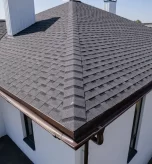
Even when shingles look fine, the structure underneath matters.
6) Garage and cantilevered areas
- Cracks above garage openings
- Dropping headers or sagging beams
- Rot in exposed framing at bump-outs
Large openings can be a weak point if the headers or supports are undersized.
7) Decks, porches, and exterior attachments
- The ledger board is properly attached and flashed
- Posts not buried directly in soil without protection
- Lateral movement or loose connections
- Rot at the stairs and handrail connections
Deck failures are often due to connection issues, not just “old wood.”
Structural Inspection Red Flags vs Common Cosmetic Issues
Not every crack means structural failure. This table helps you quickly sort risk.
| Finding | Often Cosmetic | Often Structural Concern |
| Hairline drywall cracks | Yes (common) | If paired with sticking doors and sloping floors |
| Small vertical foundation cracks | Sometimes | If widening, offset, or water intrusion is present |
| Stair-step cracks in masonry | Rarely | Often linked to movement or settlement |
| Horizontal basement wall cracks | No | Often indicates pressure or bowing |
| Uneven floors | Sometimes | If increasing over time or paired with framing issues |
When multiple symptoms appear together, a specific structural inspection is warranted.
What a Structural Inspection Report Should Include
A useful structural inspection report should be clear enough for a buyer to negotiate and for an owner to plan repairs.
Typical components:
- Summary of observed concerns and risk level
- Photos with locations and descriptions
- Measured crack widths (or a consistent reference method)
- Floor levelness notes (where relevant)
- Foundation condition notes (movement indicators, moisture)
- Recommended next steps (monitoring, repairs, further evaluation)
- Notes on limitations (areas not accessible)
If you’re paying for a structural engineer assessment, ask for clear recommendations and whether monitoring is appropriate.
Cost of a Structural Engineer Inspection: What Drives Pricing?
People often search “how much does a structural engineer inspection cost” or “how much is a structural engineer inspection.” Costs vary by state, property size, complexity, and access.
Key factors that affect structural engineer inspection cost:
- Size of the home and number of levels
- Basement/crawl space accessibility
- Severity of symptoms and time on site
- Need for calculations, stamped letters, or repair specifications
- Whether it’s a forensic structural inspection (after failure, disputes, or major events)
Relative cost comparison
| Service Type | Cost Level (Relative) | Typical Use Case |
| General home inspection | Lower | Broad buyer overview |
| Structural inspection services | Medium | Focused structural review |
| Structural engineer inspection | Medium–Higher | Movement, damage, or major modifications |
| Forensic structural inspection | Higher | Legal/insurance disputes or failure analysis |
If you’re deciding between options, consider risk: paying more upfront can prevent much larger repair bills.
Also Read: How To Choose The Right Property Inspection Service?
Special Cases: Condos, Steel, and Commercial Buildings
Structural inspection for condos
Condos can still have structural issues, but access is different. You may need to review:
- The unit’s interior framing symptoms
- Shared building structural inspection records
- HOA maintenance history and reserve studies
Structural steel inspection
Some homes or mixed-use buildings include steel beams or columns. Structural steel inspections focus on corrosion, connections, and deflection.
Commercial structural engineer inspection
Commercial structural engineer inspections typically involve broader codes and higher loads and may require more documentation.
FAQs
1. What’s the difference between a home inspection and a structural inspection?
A home inspection is a broad review of many systems (roofing, plumbing, electrical, HVAC, appliances, insulation, and general condition). A structural inspection focuses mainly on the load-bearing components—foundation, framing, beams, columns, and roof structure. If a home inspector sees warning signs like foundation movement or sagging beams, they may recommend a structural engineer for a home inspection to confirm the risk and recommend repairs.
2. How do I know if I need a structural engineer to inspect my home?
Consider a structural engineer to inspect the home when you see multiple signs of movement: stair-step cracks in masonry, horizontal cracks in basement walls, sloping floors, recurring drywall cracks near openings, or doors and windows sticking across several rooms. You should also consider it after major renovations (such as removing walls), after flooding, or if you’re buying a home with past foundation repairs. A structural engineer’s inspection can help clarify whether the issue is normal settling or a repair need.
3. What should I look for during a quick walk-through as a buyer?
Start outside: check drainage, grading, and foundation visibility. Inside, walk through every room and note floor slopes, door alignment, and large cracks. Look at ceilings for sagging lines and visit the basement or crawl space for moisture, bowing walls, or compromised supports. Also, check the attic if accessible. A buyer’s quick walk-through won’t replace a residential structural inspection. Still, it can help you decide whether to request a specialist evaluation before closing.
4. How much does it cost for a structural engineer inspection?
The cost of structural engineer inspection varies by region, house size, and complexity. A straightforward evaluation of a single concern (such as a single crack) may cost less than a full structural home inspection covering multiple areas. Pricing can increase if the engineer needs calculations, detailed repair specifications, or stamped documentation. The best approach is to describe the symptoms clearly and ask what deliverables are included—inspection-only, written report, or repair design.
5. Do small cracks always mean structural damage?
No. Many small hairline drywall cracks are cosmetic and can occur with normal seasonal movement, especially in newer homes. The concern arises when cracks are large, widening, stair-stepping through masonry, or paired with other signs such as sticking doors, sloping floors, or basement wall bowing. Patterns matter more than a single mark. If multiple red flags appear together, a structural damage inspection is a smart next step.
Conclusion
A structural inspection helps buyers avoid expensive surprises. It helps owners catch problems early, before small movement turns into major repairs. Use the checklist to evaluate drainage, foundation conditions, framing, openings, and roof structure, and pay attention to patterns rather than isolated cosmetic cracks.
For an objective assessment of visible conditions and risk areas, Key Property Inspection Group can document findings and help you prioritize next steps, including whether a structural engineer inspection is appropriate.
.
Google Map Link: https://maps.app.goo.gl/SxBMeJXdTfiZHj8r5
Instagram Link: https://www.instagram.com/keypropertyinspectiongroup/
Facebook Link: https://www.facebook.com/pg/Keypropertyinspectiongroup/
LinkedIn Link: https://www.linkedin.com/company/key-property-inspection-group/
Twitter Link: https://twitter.com/inspection_key