Installing solar at home can be one of the most rewarding upgrades a homeowner makes—but only if the project is sized correctly, permitted properly, and installed safely. Many people start with the same questions: can I install solar panels myself, how much does it cost to install solar panels, and how long does it take to install solar panels?
This guide gives you a practical, homeowner-friendly overview of DIY solar panel installation, including planning, equipment, safety, roof considerations, timelines, and when it makes sense to do part of the job yourself versus hiring licensed professionals.
Is DIY Solar Installation Right for You?
The short answer is: sometimes. A small off-grid shed, workshop, RV, or backup setup is much more realistic for DIY than a full grid-tied rooftop system on a primary home.
Before deciding how to install solar panels yourself, ask:
- Are you comfortable working on a roof?
- Do you understand electrical safety and local permit rules?
- Is your roof in good condition and likely to last as long as the panels?
- Do you want full home power offset or just backup/emergency power?
For many homeowners, the most practical version of DIY is handling planning, layout, and site prep while leaving final electrical connections and inspections to licensed professionals.
Also Read: How Much Solar Power Do You Need for Your Home?
Step 1: Know What You Want the System to Do
Not every solar setup is designed for the same goal.
Common goals for homeowners
- Lower utility bills with grid-tied solar
- Backup power during outages
- Partial solar power for a garage, shed, or workshop
- Off-grid power for cabins or small structures
The answer to how much solar power you need depends on that goal. A full-home system is very different from a small backup setup using solar power batteries and a portable inverter.
Step 2: Estimate Your Energy Use
Before installing a solar system, pull 12 months of electric bills and find your average monthly usage in kilowatt-hours (kWh).
General usage examples
| Home Type | Typical Monthly Usage | What It Means for Solar |
| Small efficient home | 400–700 kWh | A smaller system may work well |
| Average single-family home | 700–1,200 kWh | A mid-size roof system is common |
| Large home with high HVAC use | 1,200–2,000+ kWh | Larger system and more roof area needed |
If you’re planning solar panels for home power, sizing is the foundation of the entire project.
Step 3: Check Roof Suitability Before You Install
A solar project can fail before it starts if the roof is a poor candidate.
Roof checklist
- Good remaining life on shingles or roofing material
- Minimal shading from trees, chimneys, or nearby buildings
- Enough usable roof area for the number of panels needed
- Correct orientation and slope for your climate and goals
- Sound structure that can handle added loads
This is one reason many homeowners arrange a roof or property inspection before installing solar. If the roof needs replacement soon, it is usually smarter to address that first.
Step 4: Understand the Main Parts of a Home Solar System
A typical solar power system for a home includes more than just panels.
Core components
- Solar panels
- Mounting/racking system
- Inverter or microinverters
- Disconnects and breakers
- Wiring and conduit
- Monitoring system
- Battery storage as backup is part of the plan
Simple equipment comparison
| Component | What It Does | DIY Difficulty |
| Panels | Capture sunlight and generate DC power | Moderate |
| Racking | Secures panels to the roof or ground mount | Moderate |
| Inverter | Converts DC to AC for home use | Moderate to high |
| Batteries | Store excess solar for later use | High |
| Main electrical tie-in | Connects the system to the home panel/grid | High / pro-level |
A complete solar power kit for the home may bundle many of these parts together, but kit convenience does not remove the need for proper design.
Step 5: Permits, Codes, and Utility Approval Matter
A lot of DIY guides skip this, but it is one of the most important parts of how to install solar panels at home.
In most parts of the USA, you may need:
- Building permit
- Electrical permit
- Utility interconnection approval for grid-tied systems
- Structural review in some cases
- Final inspections before activation
Without approvals, you may run into insurance issues, resale problems, or utility connection delays.
Step 6: Roof Installation Basics
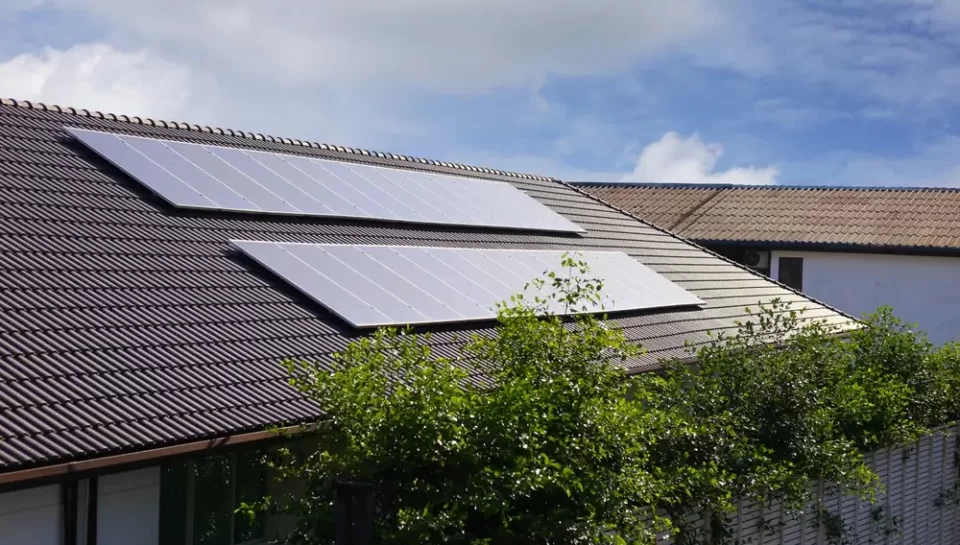
If you’re learning how to install solar panels on roof surfaces, understand the high-level process before touching tools.
Typical installation flow
- Mark the locations and layout lines.
- Install flashing and roof attachments correctly.
- Secure rails or mounting hardware.
- Mount panels according to spacing and manufacturer guidance.
- Route wiring safely and protect penetrations.
- Install inverter equipment and disconnects.
- Complete electrical tie-in and inspection.
Why roof work is critical
The biggest DIY risk is not just electricity—it is roof leaks. Bad flashing or poorly sealed penetrations can lead to major water damage later.
Step 7: How Much Does It Cost to Install Solar Panels?
People ask this in many ways: how much does it cost to install solar panels, how much does it cost to install solar panels on a house, and how much would it cost to have solar panels installed.
DIY can lower labor costs, but the total cost still depends on system size, roof complexity, and electrical work.
Relative cost comparison
| Project Type | Cost Level | Notes |
| Small off-grid DIY setup | Lowest | Good for sheds, tiny systems, backup charging |
| DIY roof mount with pro electrical signoff | Medium | Saves some labor, still needs skilled work |
| Fully installed grid-tied residential system | Higher | Includes design, labor, permits, and interconnection |
| Solar + batteries for whole-home backup | Highest | Batteries and hybrid equipment raise the cost a lot |
DIY reduces labor, but mistakes can erase those savings quickly if repairs or code corrections are needed.
Step 8: How Long Does It Take to Install Solar Panels?
The physical install may be quick, but the full project takes longer.
General timeline
| Phase | Typical Time |
| Planning and sizing | A few days to a few weeks |
| Permits and approvals | 2–8 weeks, depending on the area |
| Roof mounting and panel installation | 1–3 days for many homes |
| Electrical completion and inspection | Several days to a few weeks |
| Utility permission to operate | 1–3+ weeks |
So when homeowners ask how long it takes to get solar panels installed, the answer is usually: the roof work is fast, but paperwork and approvals can take much longer.
Also Read: How to Install a Solar Panel at Home? – Complete Guide
DIY vs Professional Installation
This is where many homeowners make the best decision for safety and value.
| Task | DIY-Friendly? | Better for a Pro? |
| Energy planning and panel layout | Yes | Optional |
| Small off-grid kit setup | Yes | Optional |
| Roof penetrations and flashing | Sometimes, if experienced | Often yes |
| Main electrical panel work | Usually no | Yes |
| Utility interconnection paperwork | Sometimes | Often yes |
| Battery integration | Usually no for large systems | Yes |
A mixed approach often works best: you handle research and simple installation steps, while licensed electricians complete the critical tie-in.
What About Solar Screens on Low-E Windows?
Some people also ask whether they should install solar screens over Low-E windows or 366 glass. That is a separate issue from solar panels. Solar screens help reduce heat gain through windows, while solar panels generate electricity. In hot climates, both can improve home performance—but one does not replace the other.
FAQs
1. Can I install solar panels myself on my home?
Yes, in some situations—but the right answer depends on the system type and your skill level. Small off-grid systems are much more realistic for DIY than full residential grid-tied rooftop systems. Once roof penetrations, electrical panel connections, utility approvals, and inspections are involved, most homeowners are better off using a partial-DIY approach or working with licensed professionals.
2. How much money does it cost to install solar panels yourself?
DIY can reduce labor costs, but the project still includes panels, racking, wiring, inverters, permits, and possibly electrical upgrades. Small DIY systems may be relatively affordable, while full-home systems still require serious investment. The highest hidden cost in DIY is fixing mistakes—especially roof leaks, failed inspections, or improper electrical work.
3. How long does it take to install solar panels on a house?
The physical installation on the roof often takes only one to three days for a typical residential system. However, the total project usually takes much longer because of planning, permits, inspections, and utility approval. Homeowners should think in terms of several weeks, not just installation day.
4. Is DIY solar worth it compared to hiring a company?
DIY can be worth it for smaller systems, simple off-grid projects, and homeowners with strong construction or electrical knowledge. For full-home systems, the value often comes from reducing risk, protecting the roof, and making sure the system passes inspection and performs properly. A mixed approach can offer the best balance between savings and safety.
5. What is the biggest mistake homeowners make with DIY solar?
One of the biggest mistakes is focusing only on panel mounting and forgetting the full system requirements: roof condition, flashing, electrical code, inverter setup, and permitting. Another common error is underestimating system size or overestimating how much power the panels will produce. Solar works best when design, installation, and approvals are all treated as part of one complete project.
Conclusion
DIY solar can be a smart project when the system is properly planned, the roof is ready, and the installer understands where DIY ends and professional work should begin. Start with energy use, roof condition, and local permit requirements before buying panels or a kit. That way, you can decide whether a small DIY system, a partial-DIY approach, or a full professional installation is the right fit for your home.
If you want an objective look at roof condition, visible moisture risks, or home readiness before planning a solar installation, Key Property Inspection Group can help document the property conditions that matter most.
.
Google Map Link: https://maps.app.goo.gl/SxBMeJXdTfiZHj8r5
Instagram Link: https://www.instagram.com/keypropertyinspectiongroup/
Facebook Link: https://www.facebook.com/pg/Keypropertyinspectiongroup/
LinkedIn Link: https://www.linkedin.com/company/key-property-inspection-group/
Twitter Link: https://twitter.com/inspection_key