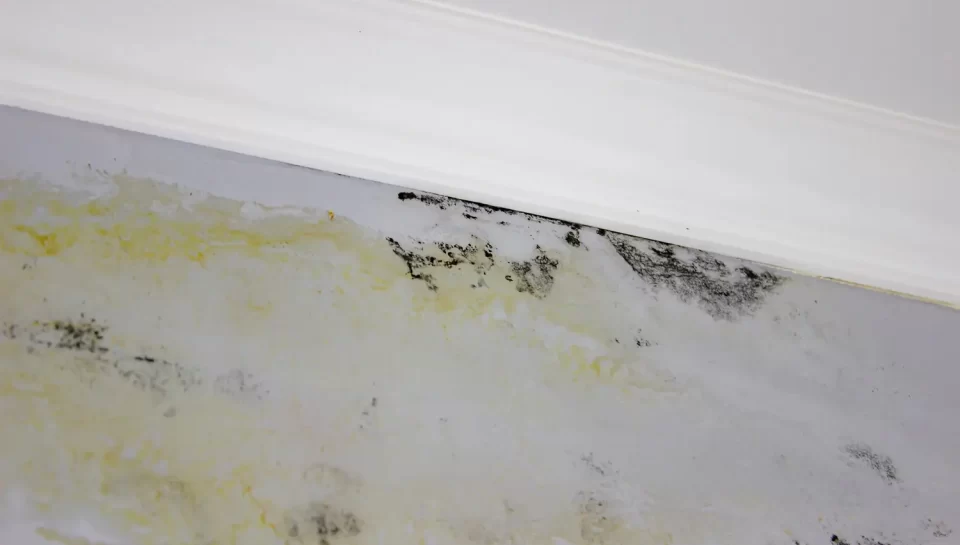
A mold problem rarely starts with a dramatic wall covered in black spots. More often, it begins quietly: a musty smell in a closet, a faint stain after a plumbing leak, condensation around windows, or allergy-like symptoms that seem worse at home.
That is why understanding how a mold inspection works matters. A proper inspection is not just someone glancing at a wall and saying “yes” or “no.” It is a structured process that looks at moisture sources, visible growth, air movement, building materials, and the likelihood of hidden contamination.
This guide explains what a mold inspection is, how it is done step by step, what inspectors look for, how long it takes, and what affects mold inspection cost in the USA.
What Is a Mold Inspection?
A mold inspection is a visual and moisture-focused evaluation of a home, apartment, or building to identify conditions that support mold growth and to document any visible or suspected mold. In many cases, the goal is not just to confirm that mold is present, but to answer bigger questions:
- Where is the moisture coming from?
- How large is the affected area?
- Is the mold likely limited to the surface, or could it be hidden?
- Are additional steps, such as sampling or remediation, needed?
A professional mold inspection often includes a visual assessment, moisture checks, and, in some cases, mold testing, home inspection methods such as air or surface sampling.
Also Read: Black Mold in the House: Dangers and How to Spot It
Step 1: Initial Questions and Property History
Before the inspection starts, the inspector usually asks questions about the property and the problem.
Common questions include:
- Have there been roof leaks, plumbing leaks, or flooding?
- Is there a musty smell in a certain room?
- Are there visible stains or peeling paint?
- Has mold been removed before?
- Are there tenant complaints or indoor air quality concerns?
This first step is important because water damage and mold inspection go hand in hand. Mold needs moisture, so the inspector starts by learning the moisture story of the building.
Step 2: Exterior and Moisture Source Review
A good inspection often begins outside, not inside.
Why? Because many indoor mold problems begin with exterior water entry. The inspector may look at:
- Roof drainage and gutter discharge
- Grading around the foundation
- Window and door sealing
- Siding, flashing, and visible wall penetrations
- Signs of roof or wall leaks
This helps identify whether outside water may be contributing to the mold issue indoors.
Step 3: Interior Visual Inspection
Next comes the mold visual inspection. This is one of the most important stages.
The inspector checks common problem areas such as:
- Bathrooms and showers
- Kitchens and sink cabinets
- Laundry rooms
- Basements and crawl spaces
- Attics
- HVAC closets and around vents
- Window sills and exterior wall corners
- Areas near previous water damage
The goal is to find visible mold, staining, damp materials, and signs of poor ventilation.
Common visual clues
| What the inspector sees | What it may suggest |
|---|---|
| Dark spotting on drywall or caulk | Possible surface mold growth |
| Bubbling paint or peeling wallpaper | Moisture behind finished surfaces |
| Warped baseboards or swollen trim | Long-term water exposure |
| Musty odor with no visible growth | Hidden mold may be present |
| Stains on the ceiling below the roofline | Past or active leak source |
This stage is why expert visual mold inspections are still one of the most valuable parts of the process.
Step 4: Moisture Detection and Leak Tracing
Mold inspections are really moisture investigations. If the inspector only looks for visible black spots, the job is incomplete.
Common mold inspection equipment used during this stage includes:
- Moisture meters for drywall, wood, and other materials
- Hygrometers to measure indoor humidity
- Infrared or thermal cameras to look for temperature anomalies
- Flashlights and mirrors for tight areas
Mold thermal imaging inspection services can help locate cooler areas that may indicate damp materials behind walls or ceilings. Thermal imaging does not “see mold” directly, but it can help the inspector narrow down where moisture may be hiding.
Also Read: Ultimate Guide to Water Leak Detection Systems
Step 5: Deciding Whether Mold Testing Is Needed
Not every inspection includes lab testing. In some cases, visible mold plus a clear moisture source is already enough to recommend corrective action. In other cases, testing may be useful.
Testing may be considered when:
- There is a strong odor, but no visible mold
- Occupants are concerned about indoor air quality
- The suspected growth is hidden inside the walls or ceilings
- Documentation is needed for a landlord, tenant, buyer, or insurance matter
- A post-remediation check is required
Common testing options
| Testing method | What it does | When it helps |
| Air sampling | Measures airborne spores | Useful when hidden mold is suspected |
| Surface sampling | Identifies growth on a specific material | Useful when visible growth is present |
| Swab or tape lift | Collects a small surface sample | Helps identify mold type in a visible area |
A home inspection mold testing step is not always required, but it can strengthen documentation when needed.
Step 6: Evaluating the Extent of the Problem
Once the inspector has visual and moisture evidence, the next step is to estimate the size and seriousness of the issue.
This includes looking at:
- The square footage of affected materials
- Whether the growth is on porous or non-porous surfaces
- Whether contamination appears active or old
- Whether the moisture source is ongoing or already fixed
- Whether the issue is confined to one room or may have spread
This part matters because mold inspection and removal costs can vary widely depending on how extensive the issue is.
Step 7: Explaining Findings and Next Steps
At the end of the site visit, the inspector usually explains the findings in plain language.
Typical next-step recommendations may include:
- Fix the moisture source first
- Improve ventilation or reduce humidity
- Remove and replace mold-damaged porous materials
- Clean small areas safely if contamination is limited
- Consult a remediation contractor for larger or hidden growth
- Consider post-remediation clearance testing after cleanup
If the inspection is part of a real estate transaction, buyers often ask what happens if mold is found during a home inspection. Usually, the answer depends on the size of the issue, whether it is active, and how negotiation or repair responsibilities are handled.
Step 8: The Mold Inspection Report
A proper mold inspection report should do more than say “mold present.” It should document what was observed and what needs to happen next.
A strong report usually includes:
- Areas inspected
- Visible conditions and suspected problem zones
- Moisture findings
- Photos
- Whether testing was performed
- Lab results if samples were taken
- Recommendations for correction or further action
This report can be especially useful for property owners, tenants, landlords, buyers, and insurance-related documentation.
How Long Does a Mold Inspection Take?
A small apartment mold inspection may take around 1 to 2 hours. A larger house, older property, or inspection involving multiple moisture issues may take longer.
Time depends on:
- Property size
- Number of problem areas
- Accessibility of attic, crawl space, or basement
- Whether testing is included
- Whether thermal imaging or detailed moisture mapping is needed
How long does a mold inspection take? Most standard residential inspections fall somewhere between 1.5 and 3 hours, with lab results taking longer if samples are sent out.
Also Read: How to Do Mold Inspections at Home Without Expensive Tools
Mold Inspection Cost: What Affects the Price?
People often ask how much a mold inspection costs, how much a mold inspection costs, or what the average cost of a mold inspection is. The answer depends on scope, not just the property type.
Main cost factors
| Cost factor | Why does it change the price |
| Property size | Larger homes take more time to inspect |
| Number of suspected mold areas | More rooms and more moisture issues increase the scope |
| Testing included or not | Sampling and lab analysis add cost |
| Thermal imaging use | More advanced tools may affect pricing |
| Report depth | Detailed written reports take more time |
| Region and local market | Mold inspection prices vary across the USA |
A basic visual inspection usually costs less than an inspection with thermal imaging and multiple lab samples. That is why mold inspection cost, black mold inspection cost, and mold visual inspection services can vary so much from one provider to another.
FAQs
1. How does a mold inspection work if there is no visible mold?
A mold inspection can still be useful even when no mold is visible. In those cases, the inspector relies more heavily on moisture readings, odors, thermal imaging, and building history. Hidden mold is often suspected when there has been a leak, flooding, condensation problem, or recurring musty smell. Testing may also be more useful in these situations because the issue may be inside walls, ceilings, or under flooring.
2. Does a regular home inspection check for mold?
A general home inspection may note visible mold-like growth or moisture stains. Still, it is usually not as detailed as a dedicated mold inspection. A home inspector may recommend a separate mold specialist if they see suspicious conditions. If mold is the main concern, a focused mold inspection is usually more useful than relying only on a standard real estate inspection.
3. Is mold testing always necessary during an inspection?
No. If there is obviously visible mold and a known moisture source, testing may not change the recommendation to fix the moisture and remove affected material. Testing becomes more valuable when the problem is hidden, disputed, or needs formal documentation for a tenant, landlord, buyer, or insurance file.
4. Who pays for mold inspection in an apartment or home sale?
That depends on the situation. In a rental property, the tenant or landlord may request the inspection depending on the lease, local law, and who is disputing the issue. In a home purchase, the buyer often pays for due diligence inspections. However, repair responsibility may later become part of negotiations. There is no single rule for every case.
5. What should I do before a mold inspection appointment?
Try not to paint over stains, heavily clean suspected areas, or run dehumidifiers in a way that changes normal conditions just before the visit. It helps to gather leak history, repair invoices, and any photos of past water damage. The more accurate the background information, the easier it is for the inspector to understand what may be happening.
Conclusion
A mold inspection is best understood as a step-by-step moisture and condition assessment, not just a quick look for black spots. The process starts with building history, moves through visual and moisture-focused evaluation, and may include testing when hidden contamination or documentation needs are involved. The most useful inspections do more than confirm mold exists; they explain why it is there, how far it may have spread, and what should happen next.
If you want an objective assessment of visible moisture issues and conditions that can support mold growth, Key Property Inspection Group can help document findings and guide your next steps.
.
Google Map Link: https://maps.app.goo.gl/SxBMeJXdTfiZHj8r5
Instagram Link: https://www.instagram.com/keypropertyinspectiongroup/
Facebook Link: https://www.facebook.com/pg/Keypropertyinspectiongroup/
LinkedIn Link: https://www.linkedin.com/company/key-property-inspection-group/
Twitter Link: https://twitter.com/inspection_key