A precast concrete fireplace is designed to withstand years of high temperatures, but like any structural component, it can deteriorate over time.
Cracks, spalling, water intrusion, and heat damage are among the most common issues found during home and commercial property inspections. While some defects are cosmetic, others may indicate conditions that affect the fireplace’s safety and serviceability.
If you’re buying a home, managing a commercial property, or maintaining an existing building, understanding the warning signs of precast concrete fireplace damage can help you avoid expensive repairs and potential fire hazards.
This guide explains how precast fireplaces fail, what causes the damage, when repairs are appropriate, and why a professional inspection is often the first step before deciding on repairs or replacement.
What Is a Precast Concrete Fireplace?
A precast concrete fireplace is a factory-manufactured fireplace system made from specially engineered refractory concrete components. Instead of constructing the firebox entirely with masonry bricks, manufacturers cast sections under controlled conditions and assemble them on-site.
These systems offer several advantages:
- Consistent manufacturing quality
- Faster installation
- Reduced construction costs
- Excellent fire resistance
- Long service life with proper maintenance
Although precast fireplaces are durable, they are continually exposed to extreme temperature changes. Every heating and cooling cycle causes the concrete to expand and contract, eventually leading to normal wear and, in some cases, structural deterioration.
Is It Normal for a Precast Fireplace to Crack?
Yes, but not every crack is harmless.
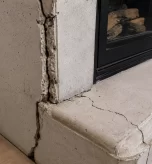
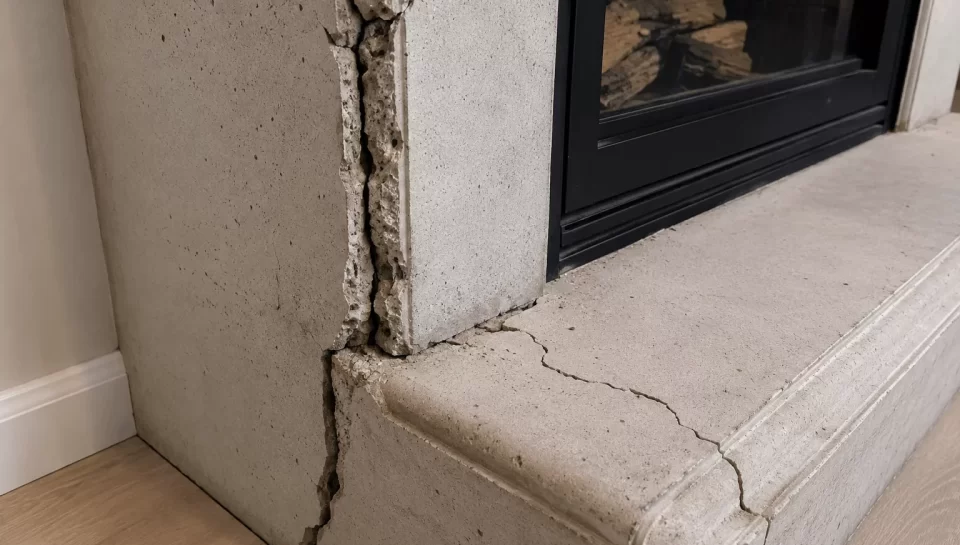
Hairline cracks commonly develop as refractory concrete expands and contracts during repeated heating cycles. These small cracks are often expected and may not affect the fireplace’s performance.
However, larger cracks, widening joints, displaced panels, or deteriorating concrete can indicate more serious problems, including:
- Excessive thermal stress
- Water intrusion
- Foundation movement
- Manufacturing defects
- Improper installation
- Overfiring
The challenge for most property owners is knowing which cracks are cosmetic and which require further evaluation.
During a professional inspection, the size, depth, location, and pattern of each crack help determine whether additional investigation is recommended.
9 Warning Signs Your Precast Fireplace Needs Inspection
1. Hairline Cracks
Small surface cracks may develop after years of normal use. Although many are cosmetic, inspectors monitor whether they continue to widen or spread into structural areas.
2. Deep or Through Cracks
Cracks extending through refractory panels or concrete sections are more concerning because they may allow excessive heat to reach surrounding combustible materials.
These defects should always be evaluated before the fireplace is used again.
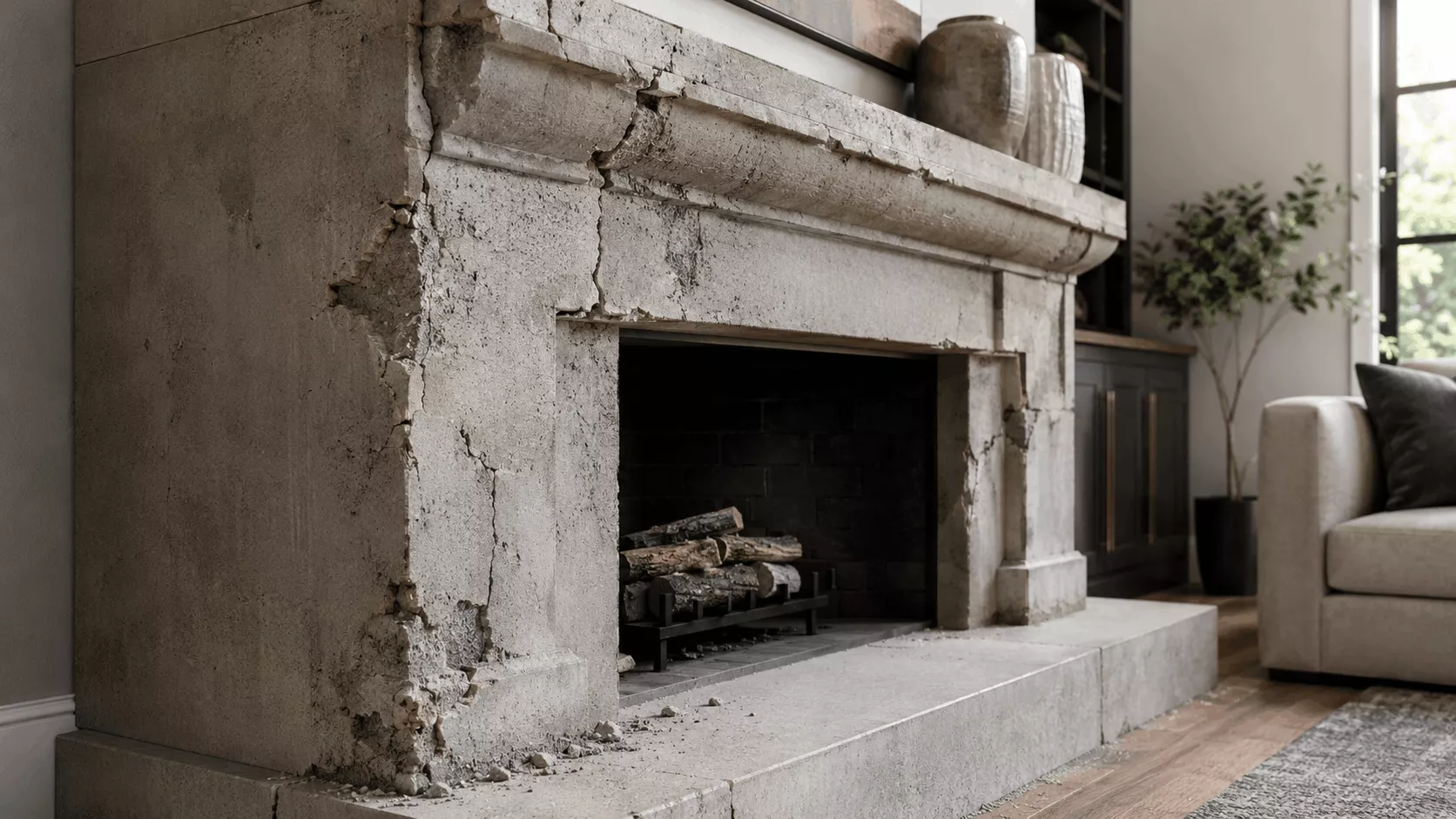
3. Spalling Concrete
Spalling occurs when pieces of concrete begin breaking away from the surface.
Common causes include:
- Moisture intrusion
- Freeze-thaw cycles
- High temperatures
- Corrosion of reinforcing steel
Once concrete begins spalling, deterioration often accelerates if left untreated.
4. Rust Stains
Rust-colored streaks may indicate moisture has reached embedded steel reinforcement.
As steel corrodes, it expands, placing pressure on the surrounding concrete and increasing the likelihood of cracking and spalling.
5. Water Damage
Water is one of the most destructive forces affecting fireplaces.
Signs include:
- Damp firebox walls
- White mineral deposits (efflorescence)
- Mold growth
- Staining
- Deteriorated mortar joints
Water intrusion often originates from damaged chimney caps, flashing, or exterior masonry.
6. Smoke Entering the Room
Smoke backing into the living area may indicate problems with:
- Chimney draft
- Damper operation
- Blockages
- Firebox deterioration
- Structural movement
Although smoke problems are not always caused by damaged concrete, they should never be ignored.
7. Loose Refractory Panels
The refractory lining protects surrounding combustible materials from excessive heat.
Loose, displaced, or broken panels reduce the fireplace’s ability to safely contain high temperatures.
8. White Powder on Concrete Surfaces
White deposits, known as efflorescence, indicate moisture migration through the concrete.
While efflorescence itself is not harmful, it often signals ongoing water intrusion that can lead to more significant deterioration.
9. Visible Movement
Gaps between precast sections, uneven joints, or noticeable shifting may indicate structural movement affecting the fireplace or chimney system.
Movement should always be investigated before continued operation.
What Causes Precast Concrete Fireplace Damage?
Several factors contribute to deterioration.
Thermal Expansion
Repeated heating and cooling cycles cause concrete to expand and contract. Over many years, this movement can create cracks within the refractory components.
Moisture Intrusion
Rainwater entering through damaged flashing, chimney caps, or failed sealants accelerates deterioration and increases the risk of freeze-thaw damage.
Freeze-Thaw Cycles
Water trapped inside concrete expands when frozen, causing cracking and surface deterioration.
Settlement
Movement of the home’s foundation or chimney structure can place stress on precast fireplace sections.
Improper Installation
Poor alignment, inadequate support, or installation errors may shorten the service life of the fireplace.
Overfiring
Burning oversized fires or inappropriate fuels exposes refractory concrete to temperatures beyond its intended design limits.
Can You Still Use a Cracked Fireplace?
It depends on the severity of the damage.
Minor surface cracks may not present an immediate safety concern.
However, fireplaces should not continue to be used when inspectors observe:
- Through-cracks
- Loose refractory panels
- Missing concrete
- Significant spalling
- Structural movement
- Heat damage exposes combustible materials
Because these conditions can increase fire risk, a professional evaluation is recommended before continued operation.
How Home Inspectors Evaluate Precast Fireplace Damage
A standard home or commercial inspection includes a visual assessment of accessible fireplace components.
Inspectors typically examine:
- Firebox condition
- Refractory panels
- Concrete surfaces
- Hearth
- Chimney structure
- Mortar joints
- Smoke chamber (when visible)
- Damper operation
- Evidence of moisture intrusion
- Previous repairs
- Visible structural movement
The inspection is non-invasive, meaning concealed components are not dismantled. When significant defects are observed, further evaluation by a qualified chimney or fireplace specialist may be recommended.
Repair Options
The appropriate repair depends on the extent of deterioration.
Minor Cracks
Small cracks may be repaired using high-temperature refractory repair materials designed specifically for fireplaces.
Surface Spalling
Loose concrete is removed, damaged areas are cleaned, and approved refractory repair products are applied.
Joint Repairs
Separated joints may require refractory mortar or manufacturer-approved repair materials.
Major Structural Damage
When extensive cracking, movement, or deterioration affects the fireplace’s structural integrity, replacing damaged precast sections or, in severe cases, the entire fireplace system may be the safest long-term solution.
How Much Does Precast Fireplace Repair Cost?
Repair costs vary depending on the type and severity of the damage.
Typical factors affecting cost include:
- Size of the fireplace
- Accessibility
- Extent of cracking
- Moisture damage
- Chimney condition
- Whether replacement parts are available
- Local labor rates
Because every fireplace system is different, a professional inspection is the best way to determine the appropriate repair scope before obtaining contractor estimates.
When Should You Replace Instead of Repairing?
Replacement is often more practical when:
- Structural cracks extend through multiple sections.
- Concrete is severely deteriorated.
- Reinforcing steel is extensively corroded.
- Multiple refractory panels have failed.
- Significant movement affects the fireplace or chimney.
- Replacement parts are no longer available.
Attempting to repair extensive structural damage may not restore the fireplace to its original level of performance or safety.
Frequently Asked Questions
Is it normal for precast concrete fireplaces to crack?
Yes. Small hairline cracks may develop from normal heating and cooling cycles. Larger or expanding cracks should be evaluated because they may indicate structural or thermal damage.
Can cracked refractory panels be repaired?
Minor cracks can often be repaired using refractory repair products, while severely damaged panels usually require replacement.
What causes concrete to flake inside a fireplace?
Surface flaking, or spalling, is commonly caused by moisture intrusion, freeze-thaw damage, excessive heat, or deterioration over time.
How often should a fireplace be inspected?
A visual inspection should be performed annually and whenever signs of damage, water intrusion, smoke leakage, or structural movement are observed.
Does a home inspection include the fireplace?
Yes. During a standard home inspection, accessible fireplace components are visually evaluated for visible defects, damage, and safety concerns. If conditions exceed the scope of a visual inspection, additional evaluation by a qualified fireplace or chimney specialist may be recommended.
Final Thoughts
Precast concrete fireplaces are built for durability, but they are not immune to age, moisture, or repeated exposure to extreme heat. Early signs such as cracking, spalling, water damage, and loose refractory components should never be ignored.
A professional inspection helps determine whether the observed damage is cosmetic, requires repair, or warrants further evaluation before the fireplace is used again. Identifying these issues early can improve safety, reduce repair costs, and help property owners make informed maintenance decisions.
If you’re buying a home, managing a commercial property, or maintaining an existing building, scheduling a comprehensive inspection can provide valuable insight into the condition of your fireplace and other critical building systems before small problems become costly repairs.