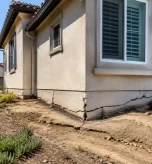
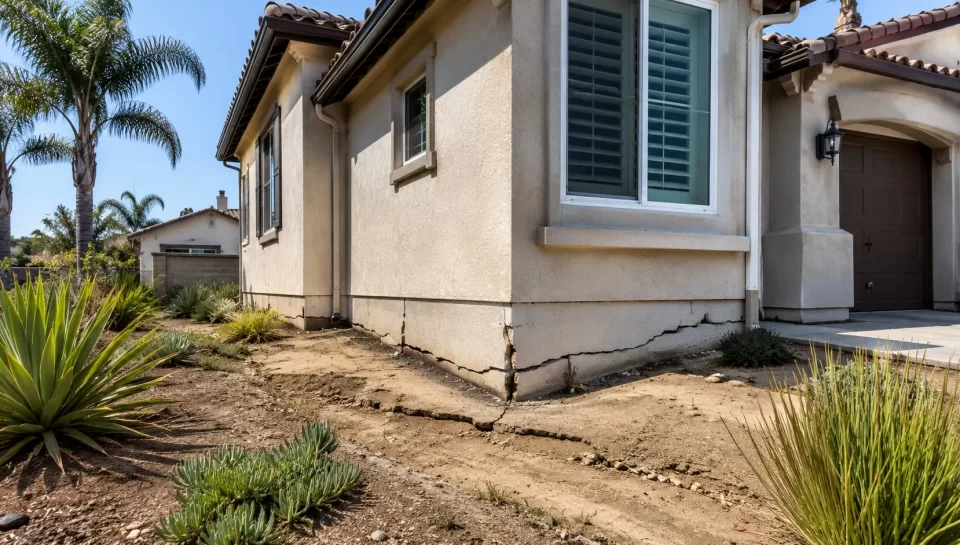
Soil movement affects foundations in California by causing the ground beneath a home to expand, shrink, or shift, creating pressure that can lead to foundation cracks, uneven settlement, and structural damage.
Expansive clay soil, drought conditions, heavy rainfall, and poor drainage are some of the most common causes of foundation movement across California. Regular foundation inspections help identify early warning signs before minor issues become expensive repairs.
What Is Soil Movement?
Soil movement refers to the expansion, contraction, settling, or shifting of the ground beneath and around your home’s foundation. Since your foundation depends on stable soil for support, even small changes underground can place uneven pressure on the structure.
Some soil movement happens naturally over time. However, rapid or uneven movement can create structural problems that become expensive to repair.
Understanding Expansive and Contracting Soil
Expansive soil contains clay that absorbs water during wet periods and shrinks during dry weather. This repeated cycle of expansion and contraction places constant stress on foundations.
Many regions throughout Southern California contain expansive clay soils, making foundation inspections especially important for homeowners.
Why California Is More Susceptible to Soil Movement
Several environmental conditions contribute to soil movement across California.
- Long periods of drought
- Heavy winter rainfall
- Earthquakes
- Hillside construction
- Expansive clay soil
- Poor drainage around homes
These factors make foundation movement more common than in many other parts of the country.
What Causes Soil Movement in California?
Several natural and environmental factors affect the stability of the soil beneath your home.
Expansive Clay Soil
Clay-rich soil absorbs significant amounts of water during rainy seasons. As it expands, it pushes upward against the foundation.
During dry weather, the soil shrinks and leaves empty spaces beneath the foundation. This uneven support can cause portions of the home to settle at different rates.
Seasonal Rain and Drought Cycles
California experiences frequent cycles of wet winters followed by extended dry seasons.
These repeated moisture changes continually alter soil volume, creating movement beneath the foundation year after year.
Poor Drainage Around the Foundation
Improper grading, clogged gutters, broken downspouts, and standing water can oversaturate soil around your home’s perimeter.
Excess moisture weakens the soil and increases the likelihood of settlement.
Tree Roots Absorbing Moisture
Large trees located close to the home can remove substantial amounts of moisture from surrounding soil.
As the soil dries and contracts, portions of the foundation may settle unevenly.
Earthquakes and Seismic Activity
California’s seismic activity can shift soil layers beneath homes.
Even smaller earthquakes may contribute to foundation movement, especially if the soil was already unstable.
Improper Soil Compaction During Construction
If builders fail to compact soil properly before construction, the ground may continue settling for years after the home is completed.
This gradual settlement often results in foundation cracks and uneven floors.
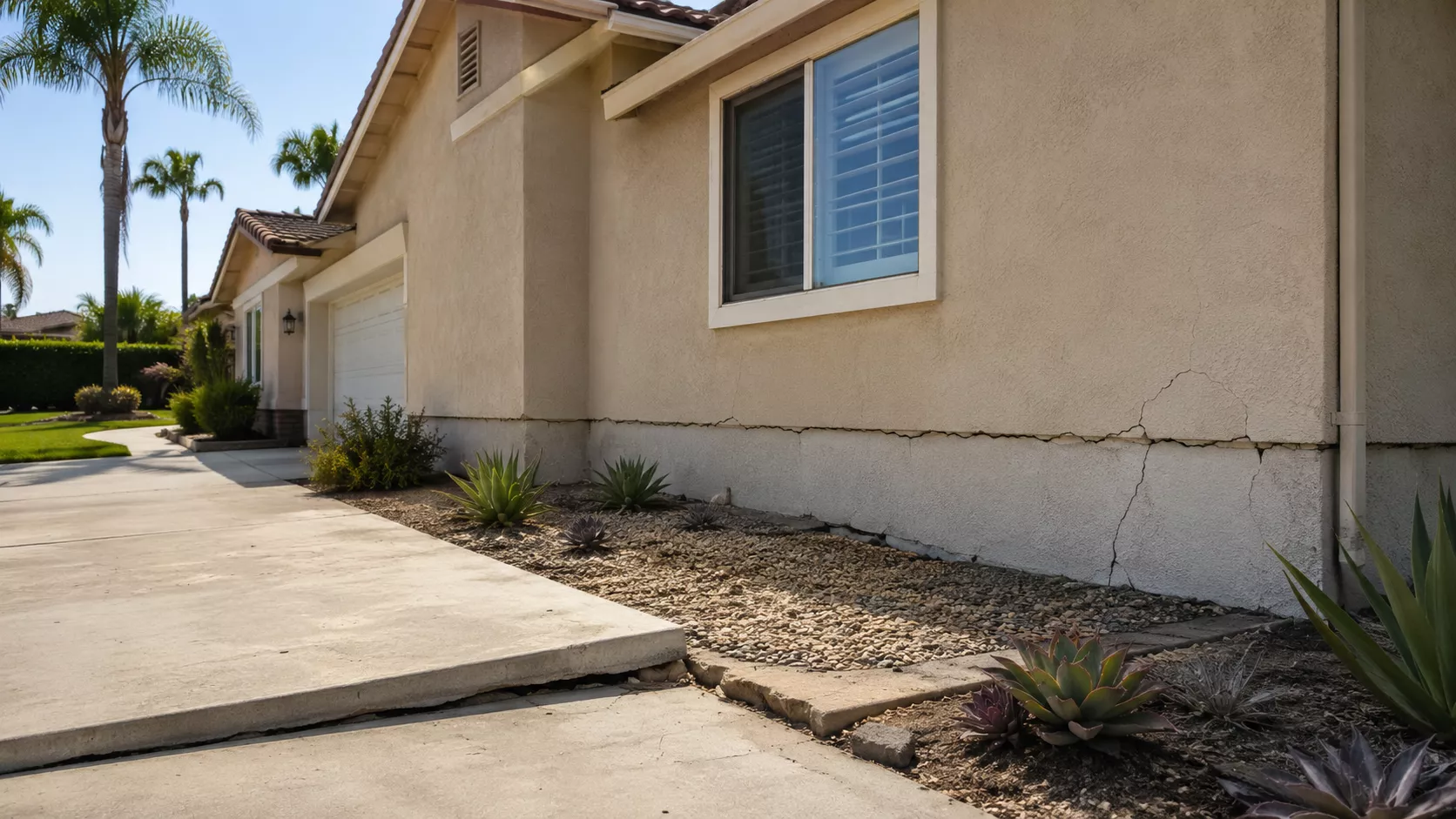
How Soil Movement Damages Your Home’s Foundation
When the soil beneath a home moves unevenly, the foundation experiences stress that it was not designed to handle.
Common types of damage include the following.
Foundation Cracks
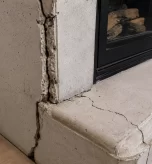
Cracks are among the earliest signs of foundation movement.
While small hairline cracks may be cosmetic, wider cracks or those that continue growing should always be evaluated by a professional.
Uneven Settlement
Some areas of the foundation may sink while others remain stable.
This uneven settlement causes structural stress throughout the home.
Slab Movement
Concrete slab foundations may lift, tilt, or sink as the supporting soil expands or contracts.
This movement often creates visible cracks across floors and walls.
Pier and Beam Foundation Movement
Homes with pier and beam foundations may experience shifting supports, causing sagging floors and structural instability.
Water Intrusion
Foundation cracks allow water to enter crawl spaces, basements, or living areas.
Over time, moisture intrusion may contribute to mold growth, wood rot, and additional structural deterioration.
Signs Your Foundation May Be Moving
Recognizing the early warning signs can help prevent more extensive damage.
Watch for the following symptoms.
Cracks in Interior Walls
Diagonal cracks above doors and windows often indicate foundation movement.
New cracks that continue expanding deserve professional attention.
Exterior Brick or Stucco Cracks
Cracks in brick, stucco, or concrete siding may suggest the home’s foundation is shifting.
Doors and Windows That Stick
If doors suddenly become difficult to open or windows no longer close properly, foundation movement could be altering the home’s frame.
Uneven or Sloping Floors
Floors that slope or feel uneven may indicate sections of the foundation have settled.
Gaps Around Windows and Doors
Visible gaps around door frames or window frames often occur when structural movement changes the shape of the home.
Chimney Separation
If the chimney begins pulling away from the house, foundation settlement may be affecting structural support.
Areas in California More Likely to Experience Soil Movement
Certain parts of California have soil conditions that increase the likelihood of foundation problems.
Homeowners should be especially aware if they live in areas such as:
- Riverside
- Corona
- Moreno Valley
- Jurupa Valley
- Eastvale
- Norco
- Los Angeles
- Orange County
- Inland Empire
Many of these communities contain expansive clay soils and experience prolonged drought followed by seasonal rainfall, increasing the risk of soil movement.
Can Soil Movement Be Prevented?
Although natural soil movement cannot be completely eliminated, homeowners can reduce the risk of serious foundation damage through regular maintenance.
Maintain Consistent Soil Moisture
Avoid allowing soil to become extremely dry or overly saturated.
Consistent moisture levels help reduce expansion and contraction.
Improve Drainage Around Your Home
Ensure gutters, downspouts, and grading direct water away from the foundation.
Proper drainage prevents excessive soil saturation.
Monitor Tree Growth
Large trees planted close to foundations should be monitored regularly.
Roots that remove too much moisture from surrounding soil may contribute to uneven settlement.
Repair Plumbing Leaks Quickly
Underground plumbing leaks can oversaturate soil beneath the foundation without obvious warning signs.
Prompt repairs help maintain stable soil conditions.
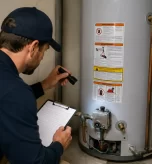
Schedule Regular Foundation Inspections
Routine inspections identify small problems before they become major structural repairs.
Professional inspectors can evaluate signs of settlement, moisture intrusion, structural movement, and foundation deterioration.
When Should You Schedule a Foundation Inspection?
A professional inspection is recommended if you notice any signs of movement or before making important real estate decisions.
Consider scheduling an inspection in the following situations.
- Before purchasing a home
- Before selling your property
- After an earthquake
- Following heavy rainfall
- During extended drought conditions
- When new foundation cracks appear
- If doors or windows begin sticking
- When floors become uneven
Early inspections often save homeowners thousands of dollars in future repair costs.
Why a Professional Foundation Inspection Matters
Many foundation issues begin gradually and may not be obvious to homeowners.
A professional home inspector evaluates important structural components, including:
- Foundation cracks
- Settlement patterns
- Structural movement
- Drainage around the home
- Moisture intrusion
- Crawl spaces
- Visible structural defects
The inspection provides valuable information that helps homeowners understand the condition of their property and determine whether additional evaluation by a structural engineer or foundation repair specialist is necessary.
For buyers, sellers, and homeowners, a professional foundation inspection offers peace of mind and helps prevent unexpected repair expenses.
Frequently Asked Questions
Can soil movement cause foundation cracks?
Yes. Expanding, shrinking, or settling soil places stress on foundations, often resulting in cracks in concrete, walls, or exterior finishes.
Does drought damage house foundations?
Yes. Extended drought causes soil to shrink, reducing support beneath the foundation and increasing the risk of settlement.
How do I know if foundation cracks are serious?
Large cracks, widening cracks, stair-step cracks, or cracks accompanied by uneven floors or sticking doors should be inspected by a professional.
Can heavy rain cause foundation movement?
Yes. Excessive rainfall can oversaturate soil, causing expansion or erosion that affects foundation stability.
How often should California homes have a foundation inspection?
Most homeowners should consider a foundation inspection every few years or anytime they notice signs of structural movement, experience an earthquake, or plan to buy or sell a property.
Does homeowners insurance cover soil movement?
Coverage varies by policy. Most standard homeowners insurance policies do not cover damage caused by normal soil settlement or earth movement, but it’s important to review your specific policy with your insurance provider.
Protect Your Home Before Small Problems Become Major Repairs
Soil movement is one of the leading causes of foundation damage in California. Expansive soils, seasonal weather changes, poor drainage, drought, and seismic activity can all affect the stability of your home’s foundation over time.
The earlier foundation issues are identified, the easier and less expensive they are to address. If you’ve noticed cracks, uneven floors, sticking doors, or other warning signs, scheduling a professional inspection is the best way to understand your home’s condition.
At Key Property Inspection Group, we provide thorough foundation and structural inspections for homeowners, buyers, and sellers throughout Riverside, Los Angeles, Orange County, and surrounding Southern California communities. Our detailed inspections help you make informed decisions and protect one of your most valuable investments.