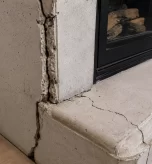
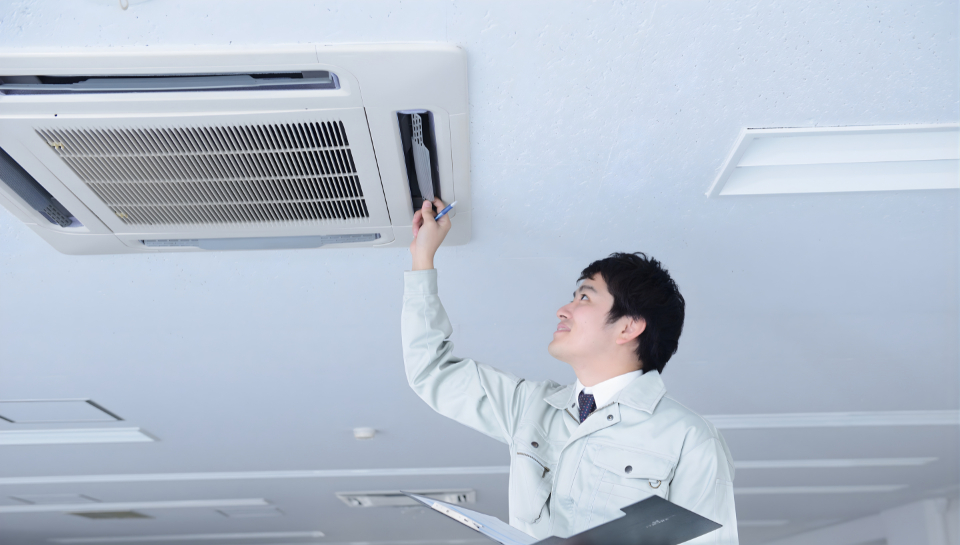
California experiences thousands of earthquakes every year. While most are minor, even a relatively small earthquake can affect a home’s structure, foundation, plumbing system, or roof. The challenge for homeowners is that earthquake damage is not always obvious. Some issues appear immediately, while others may take weeks or months to become noticeable.
If you want to understand the risks associated with earthquake damage, knowing the warning signs can help you take action before minor issues become major repairs.
Key Takeaways
- Earthquake damage is not always visible immediately after a seismic event.
- Foundation cracks, sticking doors, uneven floors, and chimney movement are common warning signs.
- Older California homes may be more vulnerable to structural damage.
- Hidden damage often occurs in crawl spaces, attics, foundations, and plumbing systems.
- Cosmetic cracks and structural cracks are not the same and should be evaluated differently.
- Professional inspections can help identify problems before repair costs increase.
How Earthquakes Affect Residential Structures
During an earthquake, the ground moves rapidly in multiple directions. This movement transfers force throughout the structure of a home.
Areas most commonly affected include:
- Foundations
- Structural framing
- Roof systems
- Chimneys
- Plumbing lines
- Electrical systems
- Exterior walls
- Retaining walls
The severity of damage depends on several factors:
- Magnitude of the earthquake
- Distance from the epicenter
- Soil conditions
- Age of the property
- Construction methods
- Existing structural weaknesses
Even homes that appear well-maintained can experience hidden damage after significant ground movement.
Why Earthquake Damage Often Goes Undetected
Many homeowners assume earthquake damage will be obvious. In reality, some of the most serious structural issues remain hidden.
Common hidden damage includes:
- Foundation movement below grade
- Shifted support posts in crawl spaces
- Cracked roof framing connections
- Underground plumbing damage
- Retaining wall movement
In many cases, homeowners do not notice problems until they begin seeing symptoms such as:
- Doors sticking
- Uneven floors
- New drywall cracks
- Plumbing leaks
- Separation between walls and ceilings
By the time these symptoms appear, the original earthquake may have occurred months earlier.
Why California Homes Face Unique Earthquake Risks
California homes face unique challenges due to frequent seismic activity and varying soil conditions.
Older Homes
Many older homes were built before modern seismic building requirements.
These homes may lack:
- Foundation bolting
- Cripple wall bracing
- Seismic reinforcement
- Modern anchoring systems
As a result, they may be more vulnerable to structural movement during earthquakes.
Hillside Properties
Many Southern California homes are built on sloped terrain.
Potential risks include:
- Soil displacement
- Retaining wall failure
- Foundation settlement
- Slope instability
Raised Foundation Homes
Homes with crawl spaces can experience movement in support beams, piers, and posts.
This often results in:
- Uneven floors
- Structural shifting
- Cracks in walls and ceilings
10 Warning Signs of Earthquake Damage in California Homes
1. New Foundation Cracks
One of the first areas to inspect after an earthquake is the foundation.
While small hairline cracks can occur naturally, certain cracks deserve closer attention.
Watch for:
- Horizontal cracks
- Stair-step cracks
- Wide vertical cracks
- Expanding cracks
Which Cracks Are Most Concerning?
Hairline Cracks
Often caused by normal settling or concrete curing.
Vertical Cracks
May not be serious but should be monitored.
Horizontal Cracks
Often indicate pressure or structural movement.
Stair-Step Cracks
Common in masonry and brick structures and may indicate uneven settlement.
2. Cracks Around Doors and Windows
Earthquake movement can place stress on wall framing.
Signs include:
- Diagonal cracks
- Cracks extending from window corners
- Separation around trim
- Recurring drywall cracks
These may indicate structural shifting.
3. Doors and Windows That No Longer Operate Properly
Many homeowners first notice damage when doors become difficult to open or close.
Common signs include:
- Doors sticking
- Misaligned locks
- Windows binding during operation
- Doors swinging open unexpectedly
Even minor structural movement can affect alignment throughout the home.
4. Uneven or Sloping Floors
Floors should feel stable and level.
Warning signs include:
- Sloping surfaces
- Soft spots
- Sagging sections
- Bouncing floors
Possible causes include foundation settlement or crawl-space movement.
5. Separation Between Walls and Ceilings
As structural components move, gaps may appear.
Watch for:
- Ceiling separation
- Gaps around trim
- Cracks at wall intersections
- Open joints between surfaces
These conditions may indicate movement beyond normal settling.
6. Chimney Leaning or Pulling Away From the House
Masonry chimneys are particularly vulnerable during earthquakes.
Warning signs include:
- Leaning chimneys
- Cracked mortar joints
- Loose bricks
- Visible separation from the home
Because chimneys are heavy structures, movement should never be ignored.
7. Roof Structure Distortion
Earthquake forces can affect roof framing and support systems.
Signs include:
- Uneven roof lines
- Sagging ridges
- Cracked framing members
- Separation at roof connections
Many roof-related issues can only be identified through an attic or roof inspection.
8. Exterior Stucco or Brick Cracks
Exterior finishes often reveal signs of structural movement.
Inspect for:
- Large stucco cracks
- Diagonal cracks
- Brick separation
- Cracking around windows and doors
Some cracks are cosmetic, while others may indicate structural stress.
9. Plumbing Leaks After an Earthquake
Ground movement can damage plumbing systems.
Warning signs include:
- Water stains
- Low water pressure
- Wet areas in the yard
- Sewer odors
- Increased water bills
Even small leaks can lead to mold growth and additional property damage.
10. Retaining Wall Movement
Retaining walls help support soil on sloped properties.
Inspect for:
- Leaning walls
- Bulging surfaces
- Large cracks
- Soil movement
Retaining wall problems can affect both the landscape and the home’s foundation.
7 Hidden Earthquake Problems Most Homeowners Miss
Many earthquake-related issues remain hidden long after the shaking stops.
Shifted Roof Framing
Minor movement can weaken structural connections.
Crawl Space Damage
Support posts and beams may move without obvious symptoms inside the home.
Sewer Line Separation
Underground pipes can crack or separate due to soil movement.
Water Line Leaks
Leaks hidden behind walls can continue for months before discovery.
Chimney Flue Damage
Interior flue liners can crack even when the exterior appears intact.
Foundation Anchor Failures
Older anchoring systems may loosen during seismic activity.
Attic Connection Failures
Structural connectors can become compromised without visible interior damage.
Cosmetic Damage vs Structural Damage
Not every crack indicates a serious problem.
Cosmetic Damage
Examples include:
- Hairline drywall cracks
- Minor paint damage
- Small plaster cracks
These issues generally affect appearance rather than structural performance.
Structural Damage
Examples include:
- Foundation cracks
- Wall separation
- Floor settlement
- Roof sagging
- Chimney movement
Structural issues should be evaluated promptly.
How Much Can Earthquake Damage Cost to Repair?
Repair costs vary based on severity and location.
| Repair Type | Typical Cost Range |
| Drywall Repairs | $200–$1,500 |
| Chimney Repairs | $1,000–$8,000+ |
| Foundation Crack Repairs | $500–$10,000+ |
| Structural Framing Repairs | $2,000–$25,000+ |
| Sewer Repairs | $2,000–$20,000+ |
| Retaining Wall Repairs | $3,000–$50,000+ |
Addressing damage early often reduces repair costs.
Buying a Home After an Earthquake
Homebuyers should carefully evaluate properties that have experienced recent seismic activity.
Request:
- Inspection reports
- Structural evaluations
- Repair documentation
- Insurance claim records
Pay close attention to:
- Foundations
- Roof framing
- Chimneys
- Plumbing systems
- Retaining walls
- Crawl spaces
A professional inspection can help identify hidden concerns before closing.
Selling a Home With Previous Earthquake Damage
Sellers should address known defects before listing.
Consider:
- Completing repairs
- Keeping repair records
- Obtaining a pre-listing inspection
- Addressing active structural concerns
Transparency can help reduce delays during negotiations.
When Should You Schedule an Earthquake Inspection?
Consider an inspection if:
- Your area recently experienced an earthquake
- New cracks appear
- Floors become uneven
- Doors stop functioning properly
- You are buying or selling a home
- You suspect hidden structural movement
Even minor symptoms can indicate larger problems.
How a Professional Inspection Helps
A professional inspection can:
Identify Hidden Structural Damage
Not all damage is visible during a walkthrough.
Document Conditions
Inspection findings can provide valuable documentation for future repairs or insurance claims.
Prioritize Repairs
Understanding the extent of damage helps homeowners plan repairs effectively.
Protect Property Value
Addressing issues early can prevent additional deterioration.
Earthquake Preparedness Tips for California Homeowners
Homeowners can reduce risk by taking preventive measures.
Secure Water Heaters
Prevent tipping during seismic events.
Reinforce Crawl Spaces
Improve structural stability.
Install Foundation Bolts
Help reduce movement during earthquakes.
Evaluate Older Homes
Consider seismic retrofitting where appropriate.
Schedule Routine Inspections
Regular evaluations can identify vulnerabilities before they become major problems.
Frequently Asked Questions
Can a small earthquake damage a house?
Yes. Even minor earthquakes can cause cracking, settlement, and structural movement depending on soil conditions and construction methods.
What are the first signs of earthquake damage?
New cracks, sticking doors, uneven floors, chimney movement, and wall separation are among the most common signs.
Can earthquake damage appear months later?
Yes. Some structural issues become noticeable only after a home settles following an earthquake.
How do I know if my foundation was damaged?
New cracks, floor movement, door alignment issues, and visible settlement may indicate foundation damage.
Should I hire a home inspector or structural engineer?
A home inspection is often the first step. If significant structural concerns are identified, additional evaluation may be recommended.
Can earthquake damage reduce property value?
Yes. Unrepaired structural issues can affect resale value and buyer confidence.
Is it safe to live in a house with earthquake damage?
That depends on the severity of the damage. Significant structural concerns should be evaluated immediately.
Does homeowners’ insurance cover earthquake damage?
Most standard homeowners’ insurance policies do not include earthquake coverage. Separate earthquake insurance may be required.
What happens if earthquake damage is left unrepaired?
Structural issues can worsen over time, leading to more extensive repairs and higher costs.
Final Thoughts
Earthquake damage is not always obvious, and some of the most serious problems remain hidden beneath a home’s surface. Foundation cracks, uneven floors, sticking doors, chimney movement, plumbing leaks, and retaining wall issues can all indicate underlying structural concerns.
For California homeowners, understanding these warning signs is an important part of protecting both property value and safety. Whether you recently experienced an earthquake or are considering the purchase of a home in a seismic region, a professional inspection can help identify hidden issues before they become larger and more expensive problems.
If you notice any of the warning signs discussed in this guide, scheduling a comprehensive home inspection can provide a clearer understanding of your property’s condition and help you make informed decisions about maintenance and repairs.