A roof can look perfectly fine from the street and still be quietly trapping heat and moisture in the attic. Over time, that trapped air can shorten shingle life, increase cooling bills, and even contribute to mold or wood rot. One of the most effective ways to improve attic airflow is a ridge vent, a low‑profile vent that runs along the roof peak.
In this guide, you will learn about ridge vents. You will learn how they work and what they look like. We will compare ridge vents to other roof vents. You will also learn about installation and costs.
What Is a Ridge Vent on a Roof?
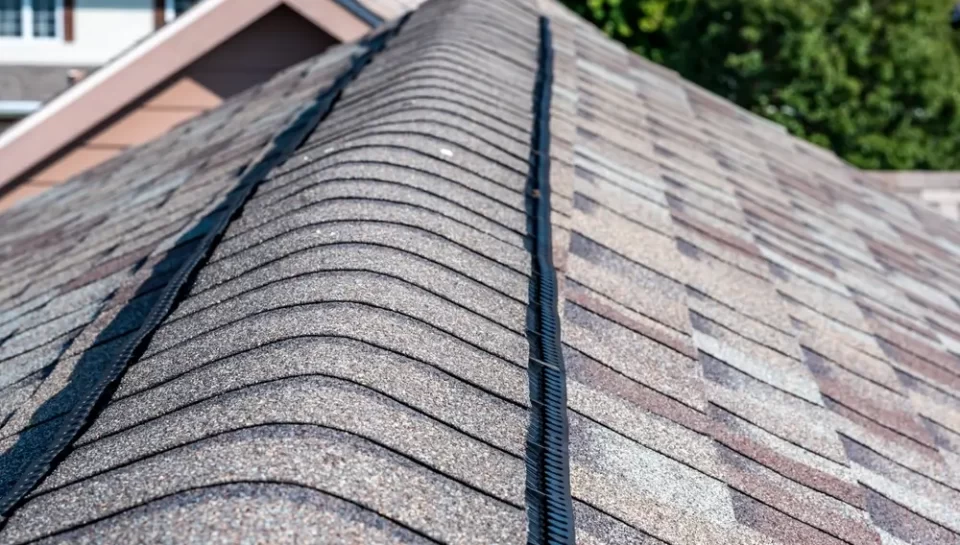
A ridge vent, also known as a ridge ventilator, is a long opening for ventilation. The builders place it at the highest point of the roof, usually along the ridge line. From the outside, it usually looks like a slightly raised strip that blends into the ridge cap shingles.
If you have ever wondered what a ridge vent is, here is a simple answer: it is an exhaust vent. It allows hot, moist air to escape from the attic at the highest point of the roof.
Key terms you may see used interchangeably:
- Ridge vent on the roof/roof ridge vent
- Ridge venting/ridge venting roof
- Ridge cap ventilation/ridge vent ventilation
Also Read: Why Circuit Breakers Trip and What You Can Do?
How Does a Ridge Vent Work?
A ridge vent works on a simple airflow principle: warm air rises.
Inside most attics, air enters low (usually through soffit vents) and exits high (through the ridge vent). This creates a natural “chimney effect.”
Here’s the basic flow:
- Cooler outdoor air enters the attic through intake vents (commonly soffits).
- Warm, humid attic air rises toward the peak.
- The ridge vent allows that air to exhaust continuously along the ridge.
That’s why a ridge vent is most effective as part of a full ridge ventilation system; it needs balanced intake and exhaust.
Ridge Vent vs Other Roof Vents
Many homes use multiple types of vents. A ridge vent is just one option, and it’s primarily an exhaust vent.
| Vent Type | Intake or Exhaust? | Where It Sits | Best Use |
|---|---|---|---|
| Soffit vents | Intake | Under eaves | Balanced airflow with ridge vents |
| Ridge vent | Exhaust | Along the roof peak | Continuous, even attic exhaust |
| Box vents (static) | Exhaust | Near ridge | Small attics or spot ventilation |
| Gable vents | Mixed | Gable ends | Works in some climates; can short‑circuit ridge/soffit airflow |
| Powered attic fan | Exhaust | Roof or gable | Hot climates; needs proper intake to avoid backdraft risks |
If you have different exhaust styles like ridge vents, powered fans, or box vents, you can lower performance. This happens when the nearest opening pulls air instead of the soffits.
What Do Ridge Vents Look Like?
People often search for what a ridge vent looks like or what ridge vents look like because they design ridge vents to be subtle.
Common visual clues:
- A straight vent line running under the ridge caps.
- Slight “lift” at the ridge compared to a roof without ridge venting.
- In some systems, engineers design an external baffle with a slightly taller profile to improve airflow in windy conditions.
From the attic side, you may see daylight at the ridge slot (if insulation isn’t blocking it).
Ridge Vent Pros and Cons
Like any building feature, ridge vents have strengths and limitations.
| Ridge Vent Pros | Ridge Vent Cons |
| Continuous ventilation across the ridge | Needs a proper soffit intake to work well |
| Low profile and usually attractive | Poor installation can lead to leaks or weak airflow |
| Helps reduce attic heat and moisture | Not ideal on some roof designs without enough ridge length |
| Can improve shingle life and comfort | Can be blocked by snow in some climates |
A ridge vent is often a great option on a long, simple ridge line. The main drawback is that ridge venting isn’t “magic” without adequate intake vents.
Ridge Vent on Hip Roof vs Gable Roof
A ridge vent on a hip roof can still work, but hip roofs often have shorter ridge lines, which can limit exhaust capacity.
A few practical considerations:
- Hip roofs may need additional ventilation (like off‑ridge vents) if the ridge length is short.
- Intake balance remains critical; blocked soffits reduce performance.
- Valleys and complex rooflines can create dead zones that need attention.
A gable roof typically offers a longer ridge and a simpler airflow path, making ridge vents particularly effective.
Ridge Vent on Metal Roof
A ridge vent on a metal roof often uses a different vent style than on an asphalt shingle roof.
Key differences:
- Metal roofs may use ventilated ridge caps with closure strips and specialised vent material.
- Installation must be compatible with the panel profile (standing seam vs corrugated).
- Weather sealing and fastener placement are critical to prevent wind‑driven rain intrusion.
If you are looking to install a vent on a metal roof, follow the manufacturer’s instructions carefully. Make sure the vent product is approved for your roof type.
Installing Roof Ridge Vents: What Homeowners Should Know
To install roof ridge vents, first cut a narrow slot along the ridge. Leave a solid roof deck at each end. Next, secure the ridge vent material. Finally, cover it with ridge cap shingles.
How to install a ridge vent on a roof (high‑level)?
This is a homeowner-friendly overview—not a DIY instruction manual.
- Confirm the roof design supports ridge venting and check intake ventilation.
- Remove ridge caps.
- Cut the ridge slot to the vent manufacturer’s width requirement.
- Install ridge vent sections, align straight, and fasten correctly.
- Install ridge cap shingles or ridge cap metal.
- Verify attic airflow and ensure insulation baffles keep the slot clear.
How to install a ridge vent on an existing roof?
Many people search for how to install a ridge vent on an existing roof because it’s a common retrofit during re-roofing.
Retrofit considerations:
- Best done during a roof replacement when ridge caps are already removed.
- We must evaluate whether we should remove or adjust old vents (box vents, gable vents, fans).
- Check soffits for paint blockage, insulation blocking, or missing vent channels.
Also Read: What Is a Weep Screed? Purpose and How It Works
Cost of Installing Ridge Vent on Roof
The cost of installing ridge vent on the roof varies by roof type, ridge length, labour rates, and whether it’s part of a full re-roof.
| Cost Factor | How It Impacts Price |
| Ridge length | More linear feet = more material and labor |
| Roof height/pitch | Steeper or higher roofs increase labor and safety setup costs |
| Roof type | Metal and tile often require specialized vent systems |
| Retrofit vs re-roof | Adding during re-roof is usually cheaper than a standalone retrofit |
| Intake upgrades | Adding soffit vents or baffles can add to the total cost |
Ridge vent material is usually priced by the linear foot. Labor can also be a big part of the total cost.
Common Ridge Vent Problems (and How to Spot Them)
Even a good vent product can underperform if installation is off.
Look out for:
- Insulation blocking soffit intake (no airflow to exhaust).
- No baffles at the eaves, causing insulation to clog the airflow.
- Mixed exhaust vents (ridge vent, powered fan, and box vents) short-circuit airflow.
- Improper ridge slot cut (too narrow or interrupted, reducing exhaust).
- Moisture signs: frost on nails, damp insulation, musty odours.
If you notice moisture in winter, it may be due to poor ventilation, bathroom fan duct issues, or air leaks from your home. It is not just a problem with the ridge vent.
FAQs
1. Is a ridge vent necessary?
Not every home requires a ridge vent, but homeowners should ensure good attic ventilation. A ridge vent is a popular way to exhaust heat and moisture because it runs continuously along the peak. If your attic is hot, musty, or showing signs of moisture, improved ventilation—often a ridge vent paired with soffit intake—can help. The best setup depends on roof design, climate, and existing vent layout.
2. How do ridge vents work with soffit vents?
Soffit vents bring cooler air into the attic, and the ridge vent lets warm air out. This balanced intake/exhaust is what makes ridge venting effective. If insulation or paint blocks soffit vents, the ridge vent does not work well. It needs fresh air to flow through the attic.
3. Can you have a ridge vent and a powered attic fan?
You can, but it often causes problems. A powered fan might pull air from the ridge vent instead of the soffits. This can reduce air circulation in the attic. In some cases, it can also create pressure changes that affect combustion appliances. If you already have both, a professional can help determine the safest, most efficient configuration.
4. What are the signs my ridge vent isn’t working?
Common signs include persistent attic heat, moisture or mold, frost on roof nails in winter, and insulation that looks damp. You may also notice uneven roof temperatures and ice dams. Often, the root cause is missing soffit intake, blocked air paths, or mixed vent types that interrupt the intended airflow.
5. Can anyone install ridge vents on any roof?
Not always. Ridge vents work best on roofs with a clear ridge line and sufficient length. Hip roofs may have short ridges and need supplemental vents. Metal roofs need compatible ridge vent products and correct sealing. A contractor should confirm the roof structure, the feasibility of the ridge slot, and the intake ventilation before installation.
Conclusion
A ridge vent effectively allows an attic to breathe when you pair it with proper intake ventilation. By learning about ridge venting, how it works, and important installation details, you can prevent moisture and heat issues. These problems can slowly harm roofs over time.
If you are not sure about your attic ventilation, Key Property Inspection Group can help. They can check the roof and attic conditions. They will help you find practical steps for a healthier and longer-lasting roof.
Google Map Link: https://maps.app.goo.gl/SxBMeJXdTfiZHj8r5
Instagram Link: https://www.instagram.com/keypropertyinspectiongroup/
Facebook Link: https://www.facebook.com/pg/Keypropertyinspectiongroup/
LinkedIn Link: https://www.linkedin.com/company/key-property-inspection-group/
Twitter Link: https://twitter.com/inspection_key